

July 14, 2024, 2:54 pm | Read time: 4 minutes
Prepaid credit cards are ideal for anyone who wants full control over their spending. They are also useful in two other scenarios. However, there are limitations that users need to be aware of.
The name gives it away: Prepaid credit cards operate on the principle familiar from the world of smartphones. To use them, a balance must be available. This balance is then used to settle outstanding amounts at the checkout or in online stores. The advantages, disadvantages, and functionality of these credit cards are discussed in this article.
Overview
How do prepaid credit cards work?
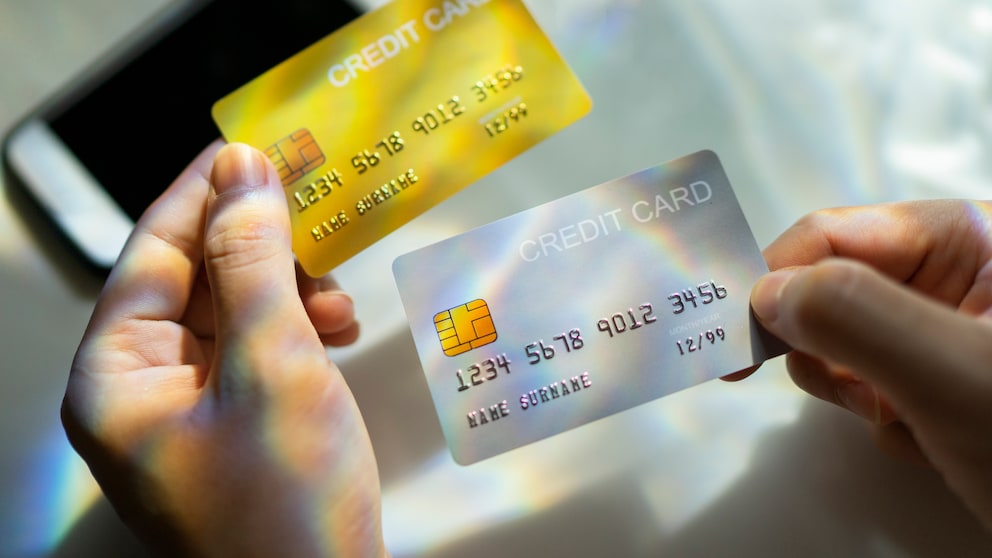
With a prepaid credit card, customers must first load a balance to use the card at all. Cardholders can then freely use the balance: withdraw cash from an ATM, pay at the checkout, or online.
The term credit card can be misleading in this context. The card providers do not extend any credit to the users.
Advantages at a glance
Prepaid credit cards offer several advantages:
- Debt is excluded: Once the card’s balance is depleted, it can no longer be used for payments. Overdraft or debt is not possible.
- No credit check: Since the card only works with deposited funds, many providers forgo the otherwise mandatory credit check with Schufa (a German credit bureau). This gives a chance to those with negative entries at Schufa.
- No additional account: Some cards do not require the opening of an additional account.
- Easy application and quick availability: For those who need a credit card as soon as possible, options that allow online application via an app are suitable. Often, a “virtual” card is available immediately afterward. Once funds are deposited, the card can be used in online stores or linked with Google Pay or Apple Pay for contactless payments. This way, there’s no need to wait for the physical card to be mailed.
Read also: Trade Republic credit card – is the hype around the Visa card justified?
Limitations of prepaid credit cards
However, there are also disadvantages. One of the biggest arises from the fact that it is a prepaid card.
Anyone who takes a closer look at credit cards will notice another imprint besides the card company’s logo: Credit or Debit. This difference matters in everyday life.
The “Credit” imprint indicates that it is a “real” credit card. This means that the card company grants the holder a credit (up to an individual limit). As long as the card is not blocked, the payment is successful.
With a debit card, the payment is directly deducted from a reference account, such as a checking account. It functions like the Girocard at banks and savings banks. Prepaid credit cards fall into the category of debit cards.
The difference becomes apparent when booking a hotel room or a rental car with a debit card. In both cases, the companies “reserve” the due amount on the card account. This is no problem with “Credit” but fails with debit cards.
Another obvious disadvantage, linked to the advantage, is that since there must always be a balance on the card first, users are less flexible compared to other cards. There is a delay between depositing or transferring money to the card and its crediting.

How much money can I withdraw from an ATM at most?

Simulate Your Own Schufa Score–This Website Makes It Possible
Who are they suitable for?
Prepaid credit cards are suitable based on their functionality for all people who
- do not have a regular or have a highly fluctuating income,
- therefore or for other reasons receive a poor Schufa report,
- do not want to incur (new) debts,
- or are teenagers under 18 years old.
However, not every prepaid credit card is automatically suitable for teenagers under 18 years old. The terms and conditions of the card provider must be checked. Some banks offer a credit card as part of opening an account for young adults.
Caution! Prepaid credit cards are not free
While a prepaid credit card does not incur interest, the issuing companies naturally want to make money. Anyone considering applying for a card should first check and compare the fees.
Possible fees that may be incurred include:
- Monthly fee for providing the card.
- Reload fee for depositing or transferring funds to the card.
- Foreign currency fee when paying in a shop in a currency other than euros.
- Inactivity fees, which sometimes apply if the card is not used for an extended period.
The fees are deducted from the balance. Therefore, the full amount is not available.