

April 12, 2026, 1:26 pm | Read time: 2 minutes
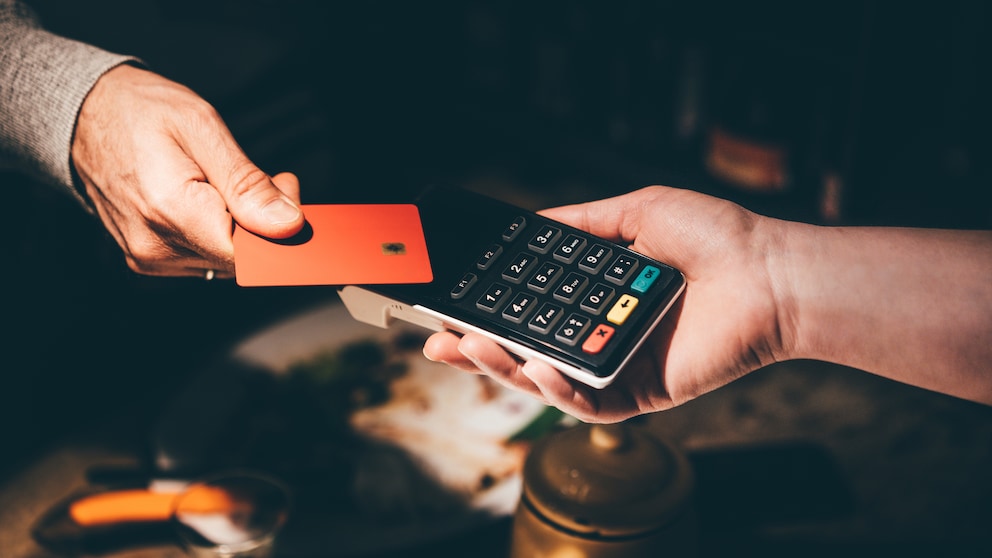
In Germany, when customers pay by card, they often see suggested tip amounts on the display. Typical options are 10, 15, or 25 percent of the bill.
However, these preset tip amounts are not well-received by many. According to a representative survey by the digital association Bitkom, only 29 percent of respondents find such suggestions helpful. The survey involved 1,004 people aged 16 and older who were interviewed by phone. This shows that the majority find the feature more annoying or unnecessary. Older people, in particular, are skeptical.
Older Users React Particularly Critically
Especially people aged 65 and older reject the automatic tip options. Only 22 percent of this age group consider the feature useful. Many feel influenced by the preset amounts. Sixty-four percent say they end up tipping more than they originally intended. The suggested amounts also cause discontent: 68 percent find it inappropriate that often only amounts starting at 10 percent are offered.
Alina Stephanie Bone-Winkel, head of Digital Banking & Financial Services at Bitkom, explains: “Preset options turn an open decision into a choice with guidelines.” This means users are more likely to follow the suggestions rather than decide freely. Clear information and a fair selection are therefore important so that customers do not feel pressured.
Typically, payers must select options like “Other,” “Different Amount,” or “Free Entry” on the display to choose a tip amount themselves.
Also of interest: How risky is online banking on a smartphone
Digital Tips: Practical, but Not Completely Trustworthy
Opinions are divided on digital tipping. Fifty-five percent of respondents think it’s good that tips can also be given by card. This is practical because many people carry little cash.
At the same time, there are doubts about whether the money really reaches the employees. Only 52 percent of respondents are sure that the tip is fully passed on. Older people are particularly distrustful: Among those aged 50 to 64, only 47 percent believe this, and among those over 65, it’s 48 percent. Younger users are more optimistic: 63 percent of 16- to 29-year-olds are convinced that the digital tip fully reaches the staff.