

May 26, 2026, 3:02 pm | Read time: 2 minutes
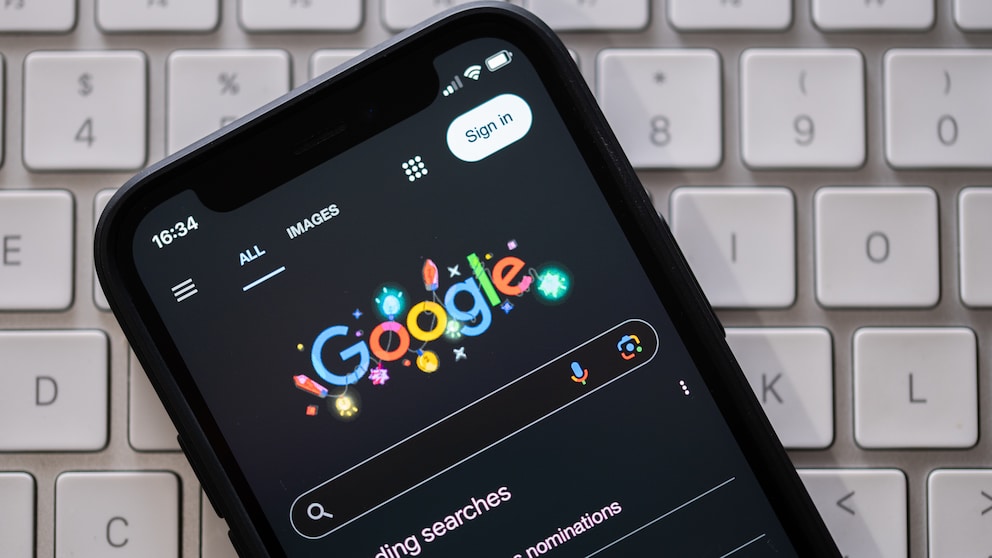
The way internet users search for information is on the brink of a fundamental change. At its I/O developer conference, Google illustrated that traditional search engine use could soon be replaced by direct answers on the search page. Instead of directing users to external links, Google will offer direct answers on the search interface.
Change in Search Results
Instead of a classic list of results, users searching for a product or information will receive a direct summary. This is generated by artificial intelligence, which analyzes and weighs various sources such as videos, blogs, and manufacturer sites. The search thus evolves into a kind of dialogue with a virtual assistant.
The technical infrastructure Google uses to collect data from the web remains in place. However, users increasingly see compressed information instead of a traditional list of links. The AI-driven search is becoming the invisible technology in the background.

How to Surf the Internet Anonymously

Why Publishers Are Rebelling Against Google
Expanded Search Capabilities
Google explained to CNN that the search field is set to become more flexible, supporting longer, more complex queries, as well as the integration of photos and files. The company reports an annual increase of 60 percent in queries submitted with photos or marked content. The AI search allows for longer inputs and focuses on specific tasks.
The redesigned results page offers not only text answers but also interactive elements like graphics and mini-apps. This could lead to a decline in visits to original sites, potentially affecting the visibility and advertising revenue of operators.
Change in User Behavior
In Germany, Google remains the dominant search engine, but user behavior is beginning to change. According to a Bitkom survey, 50 percent of respondents occasionally use AI chats. Younger users, particularly those aged 16 to 29, are increasingly relying on AI-supported search methods.
Despite the convenience of AI searches, there are risks. Users must trust that the AI provides correct information. A survey found that 42 percent of AI users have already received incorrect answers. This underscores the importance of critically engaging with the information provided.