

October 7, 2026, 11:33 am | Read time: 2 minutes
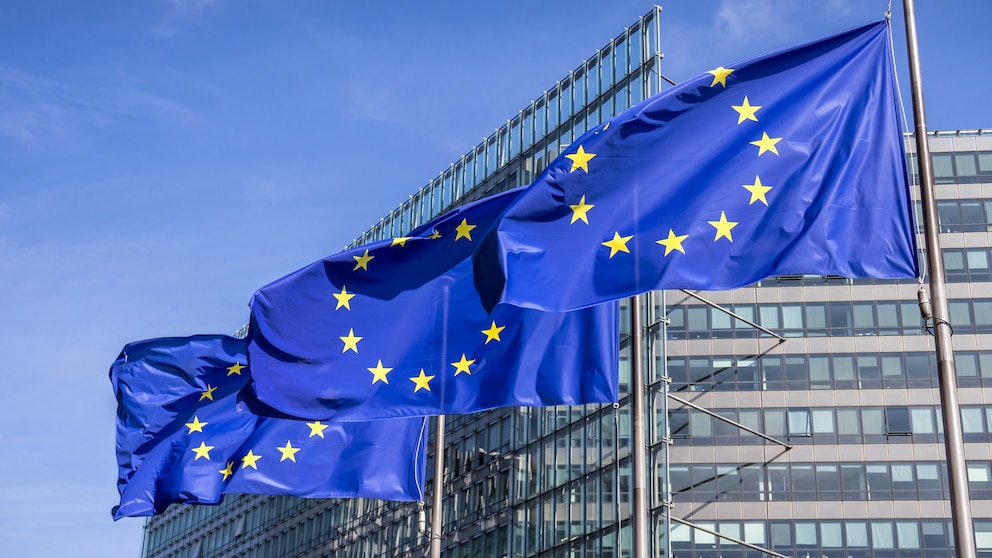
The European Commission aims to become less dependent on Microsoft and introduced Element Pro as a sovereign alternative to Microsoft Teams in the summer of 2026. However, the tool faces significant internal opposition.
In an internal forum obtained by the news portal Politico (owned by Axel Springer, like TECHBOOK), several EU officials express harsh criticism of the new software. One employee called Element Pro an “absolute disaster,” while another questioned its added value. A warning also appears in the comments: The U.S. would “win the war immediately” if they decided to shut down their technologies.
Element Pro aims to make systems independent
Not everyone views Element Pro negatively. Some employees point out that the new solution runs on the European Commission’s own servers–unlike Teams, which is based on Microsoft’s cloud. With Teams, there is only Microsoft’s assurance that the company does not look into the data, according to one comment. In contrast, Element Pro offers direct control over data and systems.
Matthew Hodgson, head of Element, acknowledged to Politico that transitions are challenging–especially with a widely used program like Teams. There are inevitable initial difficulties. Element supports the EU during the rollout and takes all feedback seriously.
Why Element Pro was introduced
The European Commission is responding to growing concerns about digital sovereignty with the new software. A specific incident in 2025 prompted this move: Karim Khan, chief prosecutor of the International Criminal Court, lost access to his Microsoft email account due to U.S. sanctions from Donald Trump. The court subsequently switched to the German suite openDesk.
Also of interest: Microsoft Teams introduces controversial employee tracking
Element Pro offers audio and video calls, file sharing, and project-based chat channels–similar to Teams. The British company Element develops the software based on the open Matrix protocol. The technology is already used by NATO, the French government (Tchap), and the German military (BwMessenger).