

November 10, 2025, 6:59 am | Read time: 4 minutes
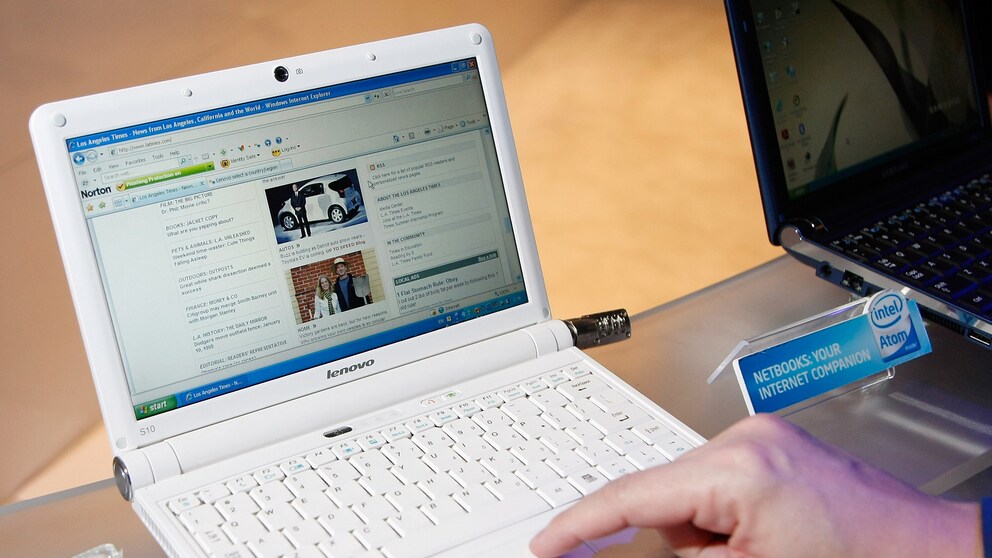
In the early 2000s, a lot happened in terms of hardware. New device categories appeared out of nowhere and disappeared just as quickly. This includes the netbook, which was marketed as a small, affordable notebook starting in 2007. TECHBOOK reports in this article why netbooks only boomed for a few years.
With each new stage of development, computers have become smaller. While the first models took up half a building, today we carry a pocket computer in the form of a smartphone with us all the time.
In the early years of computerization, there was a desire for small computers, but the necessary components were lacking. In the late 1990s, the first notebooks appeared, with displays ranging from 13 to 17 inches, significantly smaller than typical notebooks. These devices were dubbed “mini-notebooks” and were particularly popular in Asia.
The First netBook Is an Organizer
The name netbook was first used by the British company Psion. The Brits developed electronic organizers at the time, which were digital calendars very popular among managers around the turn of the millennium.
The Psion netBook hit the market in 2000 and already resembled the devices that would later be classified as netbooks. As large as a sheet of A5 paper and weighing one kilogram, the Psion device at least outwardly resembled a small notebook. However, the netBook had limited functions, which is why it was quickly forgotten.
New operating systems like Linux and the increasing miniaturization of processors and other components opened the door for smaller notebooks. In 2007, the manufacturer Asus caused a stir with its Eee PC. “Eee” stands for Easy, Excellent, Exciting and succinctly describes what the small computer with a 10-inch display stands for: easy access to the Internet.
Asus Establishes Netbooks
Asus primarily targeted emerging markets in Africa and Asia with the Eee series. The small computers ran on a Linux distribution, were inexpensive, and promised easy access to the online world. Just the right thing to delight a previously underdeveloped mass market.
But they didn’t just sell like hotcakes there; the computers, then still referred to as subnotebooks, also found eager buyers in Western countries. Businesspeople, in particular, recognized the advantages, as a small notebook was perfect for answering emails or writing texts while traveling.
As a completely new target group suddenly became interested in the small computers, big names like Acer, Dell, and Samsung soon catered to the demand for mini-notebooks. Even Microsoft put its outdated Windows XP on the small computers. The processor power of the small computers was insufficient for Microsoft’s then-current operating system, Vista.

Acer and Asus Must Halt PC Sales in Germany
Acer shows its first handheld console at IFA
“Netbook” Sparks Legal Dispute
The name “netbook” as a product designation for this type of notebook first appeared in 2008. Not without consequences. The chip manufacturer Intel used the term “netbook” for the first time. However, it seemed no one there had heard of the Psion netBook before.
As a result, a letter arrived from the UK, in which Psion claimed the naming rights for itself. The British company also wrote to Google, asking them to stop marketing the term “netbook” in Adwords. Google then placed the term on the Adwords blacklist. In June 2009, the dispute over terminology ended “peacefully,” as Psion announced. From then on, any company could call its mini-notebook a netbook.
Read also: The Development of the Laptop–from a 12-Kilo Suitcase to a Sleek Lifestyle Product
Tablet Defeats the Netbook
But by this time, the story of the netbook was almost over, though no one realized it yet. By 2010, netbooks had reached a market share of 30 percent. But it was all for naught when Apple CEO Steve Jobs presented “one more thing” in his inimitable style on January 27, 2010. From the digital hat, Jobs pulled out the iPad. This marked the end of the netbook era, which lasted only two years.
Tablets were more expensive than netbooks, but they could soon do much more than the small clamshell computers. Only Acer and Asus resisted the tablet boom. But in 2015, these two manufacturers also finally ceased production of netbooks.
Small notebooks or netbooks still exist today, of course. However, they exist only as another product among many. Essentially, Apple’s MacBook Air is a kind of luxury netbook. The era of the simple mobile computer, with which you could read emails or quickly go online while on the go, is definitely over.