

August 14, 2023, 5:23 am | Read time: 5 minutes
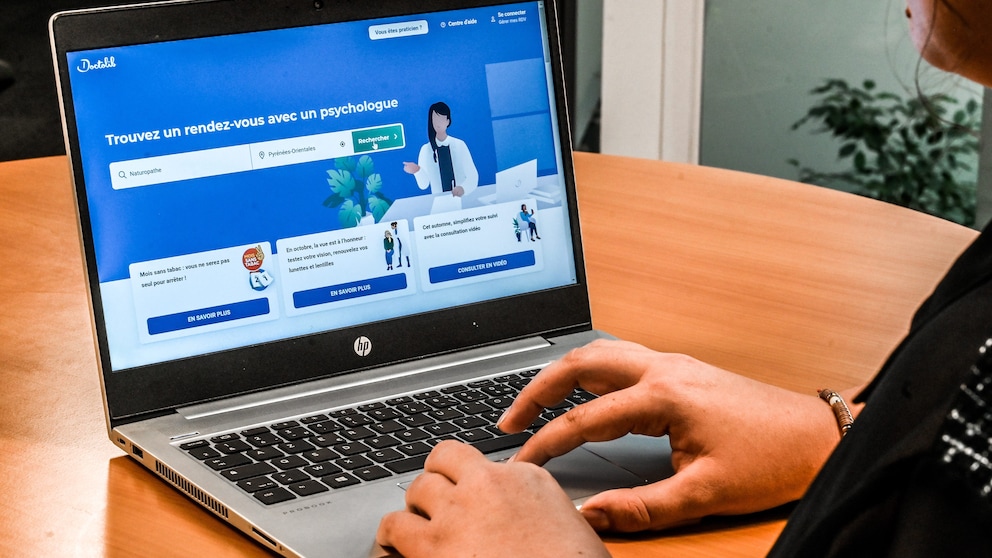
One of the most well-known digital tools for booking doctor appointments online comes from France and is called Doctolib. Since 2016, the Doctolib app has also been available in Germany. Currently, about 70,000 medical practices and other healthcare facilities in Germany use Doctolib–and the trend is rising. The platform experienced a boom during the COVID-19 pandemic due to numerous vaccination appointment bookings. However, there have been data protection concerns for some time. That’s why we’re taking a closer look.
Overview
Affordable Appointment Booking Solution for Doctors
The popularity of the Doctolib app is closely linked to the pandemic period. Many medical practices struggled during the peak of COVID-19 to adequately provide timely appointments to patients over the phone. The number of phone inquiries skyrocketed during the pandemic.
Doctolib offered a simple and affordable alternative for doctors at that time. The cost for the appointment booking service is just under 150 euros for a solo practitioner. This is worthwhile and relieves the so-called medical assistants (MFA) in the practice. Thanks to Doctolib, the phone rings significantly less often, leaving more time for patients on-site.
Berlin even tasked Doctolib with coordinating all COVID-19 vaccinations starting in 2021. For people searching for a vaccination appointment, this was a significant time saver.
Why Do Data Protection Experts Criticize Doctolib?
For all involved parties, Doctolib seems to offer only advantages. However, data protection experts see it differently and raise some serious allegations.
The core of the criticism targets Doctolib’s role. The company is not just a simple intermediary for available doctor appointments. Once Doctolib agrees to collaborate with a doctor, the company gains access to the entire patient master data set. This includes, for example:
- Address,
- Phone numbers,
- Email addresses,
- Pre-existing conditions,
- Medical histories, or
- Insurance status.
Data protection advocates have discovered that Doctolib even gains access to the data of deceased patients or those treated by another doctor. This occurs when a doctor takes over an existing practice as a successor.
This data access is precisely why there is criticism. It’s difficult to argue that these individuals consented to the data transfer in any way. Many people are unaware that when they book a doctor appointment online or via an app through an external service provider, they are entering into a contract with a company, not the treating doctor. The doctor, in turn, has previously granted Doctolib the right to act as a so-called legally authorized external data processor. What does this mean?
This means that Doctolib, for example, is granted the right to access the complete patient master data set. Doctors should actually inform their patients about this before the first appointment booking via Doctolib.
The provider, based in Berlin, argues that doctors are explicitly informed of this when signing the contract. Whether doctors actually fulfill this information obligation is difficult to verify. Similarly, it’s challenging to track what Doctolib does with the sensitive health data and whether it is securely stored. Here, trust is the only option, as control does not work in this case.
Data Protection Issues in the Past
Past events show that not all data leaks are closed. In 2021, various media reported that Doctolib had shared data with Facebook and the online marketing agency Outbrain. Both companies are based in the U.S. According to the EU’s General Data Protection Regulation (GDPR), this should no longer happen: transferring data from the EU to servers in non-EU countries.
Following this incident, Doctolib announced that the company had removed all marketing cookies to prevent such a data breach from happening again. Nevertheless, the Digitalcourage association awarded the Big Brother Award to Doctolib in 2021, partly due to the aforementioned data breach and unfiltered access to patient data.
Read also: “Kry” in Test–Does the App Replace a Doctor Visit?

Warn Older Adults About “Corona Shock Calls”!

Do Apps Lead Us Toward Digital Coercion or Greater Freedom?
How Does Doctolib Respond to Criticism?
Doctolib takes the criticism from data protection experts seriously and addresses the critics. Regarding the criticism of access to the entire patient master data set, the company has repeatedly emphasized that communication still occurs only between the patient and the treating doctor. Doctolib does not use data for its own purposes. As mentioned earlier, all patient data is stored in anonymized form on servers.
Since these processes are all invisible, the statement cannot be verified. The company does not provide specific information about the security standards used.
What Data-Secure Options Are Available?
First of all, booking appointments via the Doctolib app or another provider is generally a significant improvement compared to the previous method by phone. A Doctolib account is quickly set up. Booking an appointment is also easy for those not tech-savvy. The system also sends multiple reminders of upcoming doctor appointments.
In the future, more such apps will likely enter the market. Doctors also report that since collaborating with Doctolib, many more younger patients have found their way to their practice. Apparently, a younger audience prefers booking doctor appointments via an app. However, this development should be critically monitored. Of course, not all patients have to like booking appointments via an app.
If you’re unsure about what providers like Doctolib do with your data, you can–as before–simply pick up the phone. The majority of German doctors still do not use digital booking services like Doctolib.
Or you can use the online service of the National Association of Statutory Health Insurance Physicians. There, you can search for specialists in your area and also book appointments directly. This process is not as smooth as using an app and takes a bit more time. However, you have full security: only the treating doctor receives your data, and no one else.