

September 21, 2025, 6:52 am | Read time: 5 minutes
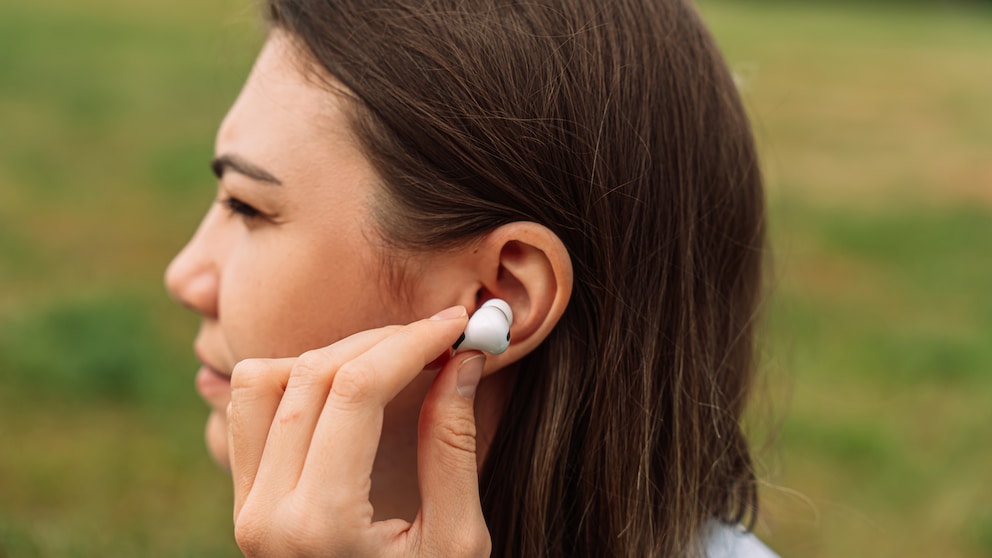
Progress is making it increasingly easier for us to use smart technologies. First, they were integrated into smartphones, then we could conveniently wear them on our wrists with smartwatches. Now, they’ve made their way directly to our ears. From earbuds that collect health data to headphones with translation functions and hearing aids that can be integrated into smart ecosystems, TECHBOOK presents the most exciting smart devices for the ear.
Smart devices for the ear have actually been around for years. It all started with the development of headphones that no longer needed to be connected by cable but could communicate wirelessly with smartphones, tablets, or computers via Bluetooth.
Modern models go much further. They can automatically detect the environment the wearer is in and adjust the sound accordingly–whether in a quiet office, on a train, or on a noisy street. It’s also smart that many headphones, in-ears, and hearing aids can now connect directly with voice assistants like Siri, Alexa, or Google Assistant. Some can even relay notifications from the phone or execute certain commands via voice control.
Overview
Health Functions–the Ear as a Measuring Station
Advanced health measurements are among the new “core competencies” of smart wearables for the ear. This seems logical and technically feasible. The ear, with its well-vascularized tissue, is an excellent area for measuring body values, as it is close to the brain and important blood vessels. This is why ear thermometers are used. Smart headphones use this principle, but with specially developed sensors that can measure continuously and unobtrusively. For example, body temperature, heart rate, or even oxygen saturation can be recorded–often more accurately than with smartwatches.
Significant Product Examples
Apple is not only expanding its smartwatch as a health device but increasingly also the AirPods. The functions include:
- Hearing tests for early detection of hearing loss
- Volume warnings and protection mechanisms against hearing damage
- OTC hearing aid function (Over-the-Counter): a non-prescription hearing aid for mild to moderate hearing problems
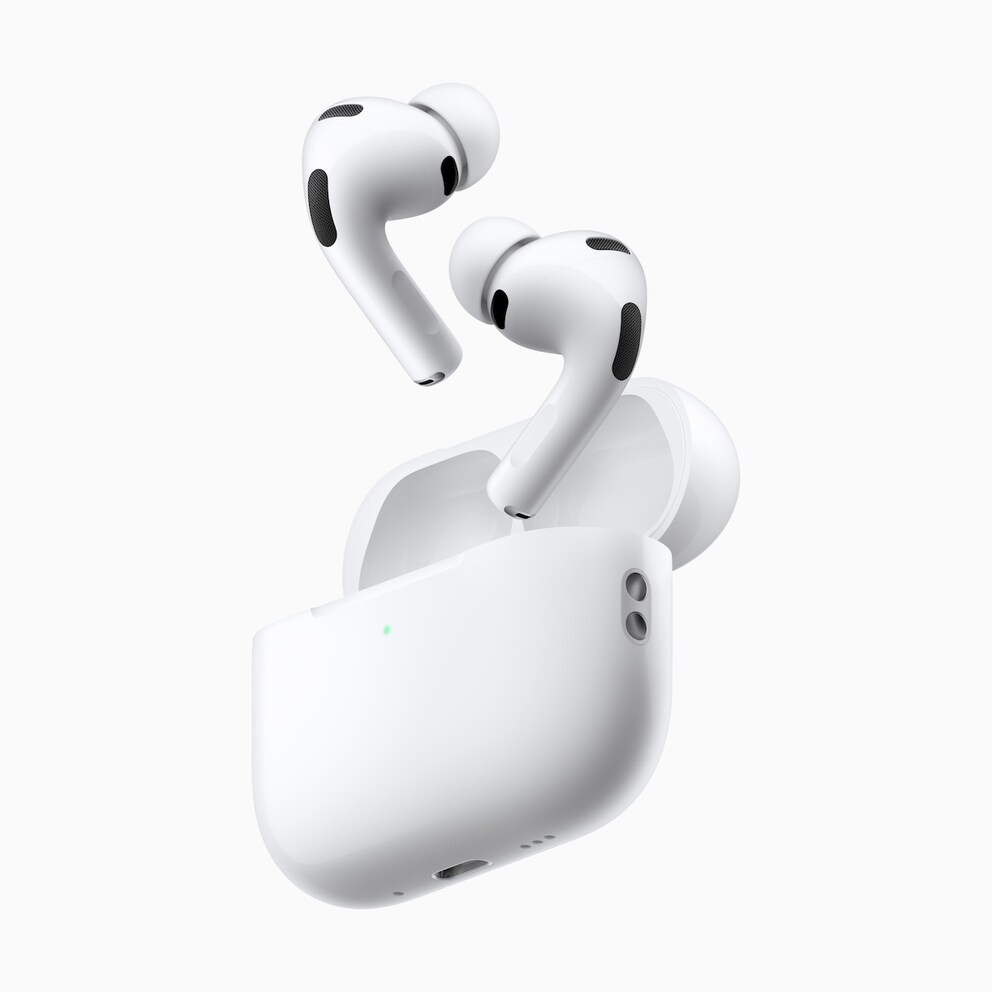
The new AirPods Pro 3 come with an additional health feature: heart rate measurement directly in the ear. This feature is already known from the Powerbeats Pro 2, also from Apple. The advantage: For workouts, wearing a smartwatch or fitness band is no longer necessary. The AirPods Pro 3 can track about 50 different workout types.
Another example of the connection between high-tech and health is the Signia Active Pro. This is a full-fledged hearing aid that also enables music streaming and phone calls via Bluetooth. The device supports hearing loss, automatically adapts to different environments, and integrates special tinnitus therapies. Additionally, it features step counting and activity measurement, allowing users to keep track of their daily movement. Thus, the fitness tracker discreetly moves to the ear.
Comfort and Hearing Protection
At the same time, the ear is a sensitive sensory organ responsible for both hearing and balance. Noise can cause lasting damage. Many modern headphones and in-ears have features that can help reduce these risks, such as volume limitation or warning functions when listening too loudly.
Many headphones now feature active noise cancellation (ANC), which reduces ambient noise. This allows content to be played at lower volumes, protecting the hearing.
Live Translations to the Ear
Have you always been impressed by simultaneous interpreters? In live broadcasts, foreign language speakers received the spoken word directly whispered into their ears through small headphones. Nowadays, this can be done without people. Strictly speaking, there have been initial approaches for a while. Niche brands like Timekettle or Mymanu have developed special translator earbuds designed to enable conversations between two languages. However, these early models still had weaknesses. The translations often came with noticeable delays, and it was frequently necessary to manually switch between languages. Today’s translation systems for headphones are much more advanced.
Live Translation Directly to Your Ear! Apple Plans New AirPods Feature for Travelers

The 8 Best Bluetooth Sports Headphones Compared
All-Rounder Apple AirPods Pro 3
The already mentioned Apple AirPods Pro 3 integrate live translation directly into the Apple ecosystem and combine it with noise canceling and hearing tests in a single device. Using artificial intelligence, the function recognizes spoken words, processes them in real-time, and translates them directly into the desired language. A compatible device with Apple Intelligence, such as the iPhone 15 Pro or newer, is required for use.
German and several other European languages are supported. However, the translation function is currently not available in the EU, as TECHBOOK explains here. It cannot be provided due to the interoperability requirements of the Digital Markets Act (DMA), but Apple is reportedly working on finding a solution.
Among the smart devices for the ear with live translation function already available is the Timekettle W4 Pro. It enables nearly delay-free bidirectional translation, making it particularly practical for travel or international meetings. Other devices like the Google Pixel Buds and Samsung Galaxy Buds already function like a mobile interpreter, translating conversations in real-time.
Smart Devices for the Ear Are Just Beginning
It can be assumed that smart devices for the ear will continue to evolve. In the future, a pair of earbuds could combine the functions of hearing aids, fitness trackers, translators, and voice assistants. The expected progress makes the gadgets as interesting for tech-savvy users as for those who want to keep an eye on their health or simply communicate hands-free in everyday life. The small helpers could soon become constant companions, much like the smartphone is today.