

January 3, 2026, 6:49 am | Read time: 2 minutes
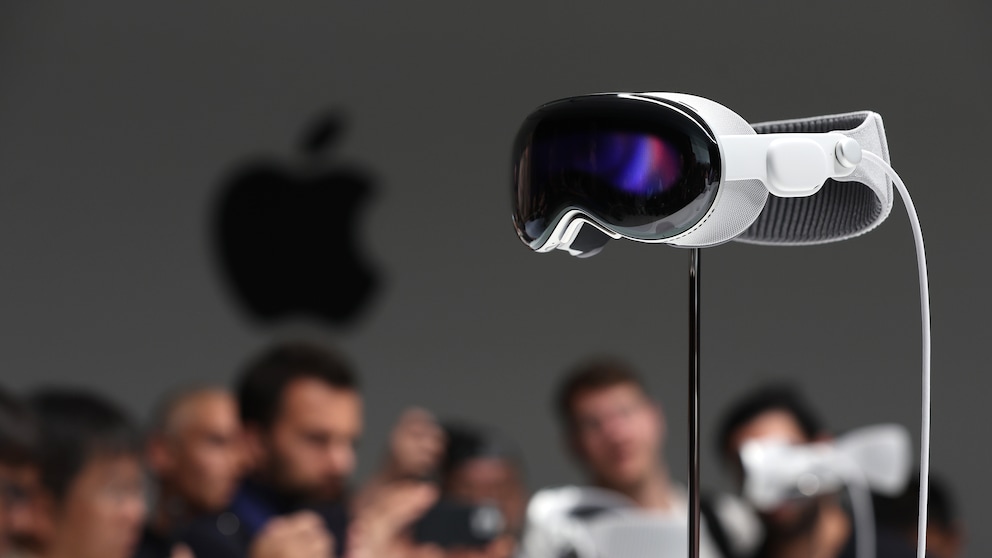
Apple is reducing production of the Vision Pro VR headset due to low demand. The high price, heavy design, and limited app offerings are cited as reasons for the weak sales. The headset is available in only 13 countries, and international expansion was not continued in 2025. Analysts also criticize the comfort and battery life. Despite an improved version, Meta remains the market leader with its Quest headsets.
Low Demand for Vision Pro
At the end of 2025, Apple introduced a refreshed version of its Vision Pro virtual reality headset. With the more powerful M5 chip, higher refresh rate (120 hertz), and a more comfortable headband, the device addresses several issues that plagued the original 2024 model. However, this does not seem to be enough to boost sales again.
Apple has significantly reduced the production and marketing of Vision Pro. The reason for this is the low demand, as reported by “Handelsblatt” citing the “Financial Times.” Since the launch of the original in 2024, only about 390,000 units have been sold, while other Apple products often reach similar numbers in just a few days.
Apple Pulls the Plug on Tim Cook’s Biggest Flop

What ever happened to Google Glass?
Production and Marketing Measures
The Chinese manufacturing partner Luxshare ended production as early as the beginning of 2025. Apple has also scaled back its own production and cut the digital advertising budget for the Vision Pro in markets such as the U.S. and the U.K. by over 95 percent. The headset is still only available in 13 countries and costs at least 3,699 euros in Germany.
Also of interest: What New Devices Does Apple Have in the Pipeline?
Challenges and Competition
Analysts attribute the weak sales to the high price, heavy design, and limited app offerings. The comfort and battery life are also criticized. Apple has since put the development of a successor and a cheaper model on hold in favor of smart glasses with augmented reality (AR). Rival Meta dominates the VR market with its Quest headsets, holding about 80 percent of the market share, and is also the leader in smart glasses.