

May 19, 2025, 4:15 pm | Read time: 2 minutes
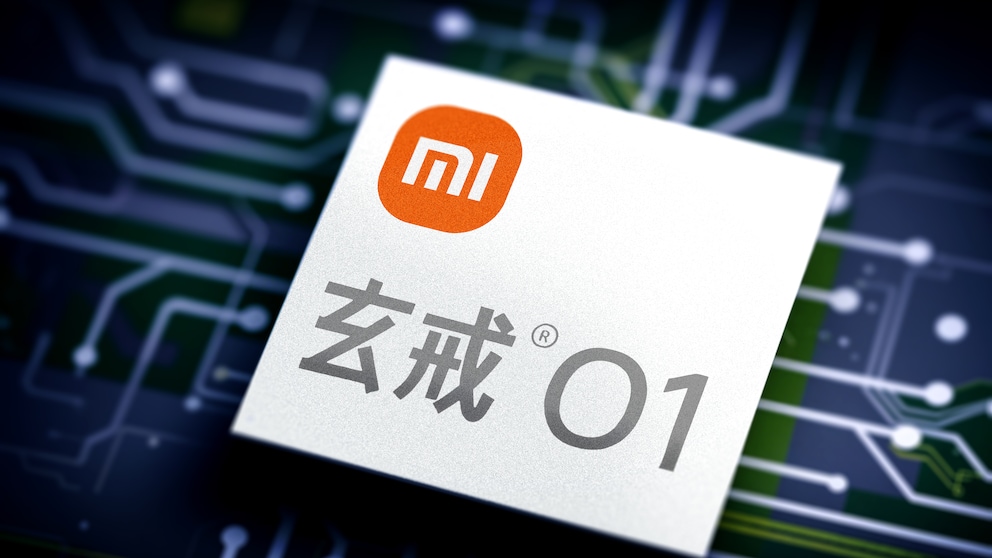
The Chinese technology company Xiaomi recently made a significant announcement that has the potential to impact the smartphone market. Similar to Apple, Samsung, and Google, which develop their own processors for their devices, Xiaomi now plans to enter the competition with its own chip.
In May 2025, Xiaomi’s first proprietary smartphone chip is set to debut: the Xring 01. The chip, which has been in development for ten years, will be used in the company’s future smartphones.
Technical Details of the Xiaomi Xring 01
The Xring 01 could play a crucial role in Xiaomi’s product offensive, as reported by “Computer BILD” (part of Axel Springer SE, like TECHBOOK). The CPU consists of a high-performance core of the Cortex X925 type, three Cortex-A725 cores, and four energy-efficient Cortex-A520 cores. This configuration could give the chip computing power slightly behind the current top models from Qualcomm and MediaTek, making it comparable to Google’s Tensor G4 chip.
Insider information suggests that the Taiwanese chip manufacturer TSCM will produce the Xring 01 using the 4-nanometer process. In terms of performance, the chip is slightly behind the top models from Qualcomm and MediaTek. Its first application could be in the Xiaomi 15S Pro, which is also set to be released in May 2025. This development could change the status quo in the premium smartphone category.
Strategic Direction and Market Launch
With the introduction of the Xring 01, Xiaomi may be pursuing a strategy aimed at greater independence from external processor manufacturers. Although the chip does not achieve the absolute top performance of the competition, it could still offer more than sufficient performance through adjustments and optimizations in Xiaomi’s devices.
The integration of self-developed chips into smartphones could not only help Xiaomi improve the performance and efficiency of its devices but also reduce production costs and dependence on external chip suppliers. The coming months will reveal whether Xiaomi’s venture into chip development will be successful and how it will affect their position in the fiercely competitive smartphone market.