

August 9, 2025, 7:24 am | Read time: 2 minutes
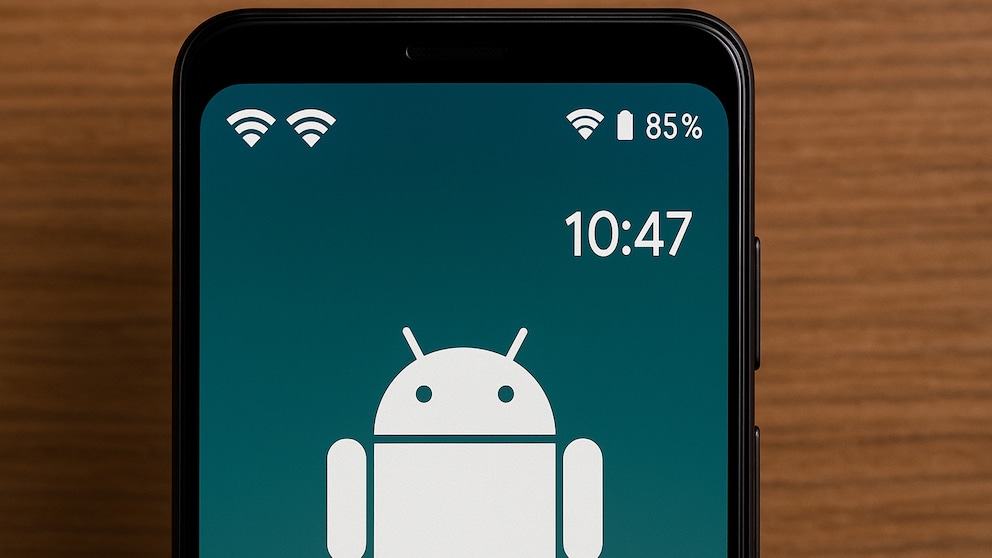
More and more smartphone users are puzzled by a new icon in the status bar. Alongside the familiar Wi-Fi symbol, a smaller, second icon suddenly appears. What is behind this “Wi-Fi baby,” and what does it mean for internet connectivity and battery consumption?
What is Behind the Second Wi-Fi Symbol?
The user @OutofGalaxyy wrote on X (formerly Twitter): “My Wi-Fi icon has had a baby. Why?” This refers to the additional small Wi-Fi symbol that appears on some Android smartphones. It is linked to a technology called dual Wi-Fi acceleration, also known as “dual-channel acceleration.”
This feature allows the smartphone to connect simultaneously to both Wi-Fi frequency bands of a router–both the 2.4-gigahertz and the 5-gigahertz bands. Normally, devices select one of the two networks based on which is stronger or more available. However, with dual Wi-Fi enabled, the device uses both channels in parallel.
Read also: The Meaning of Various Symbols on the Smartphone Display

Poor Wi-Fi? This Device Might Be to Blame

Vodafone Launches New Fritzbox With Wi-Fi 7 for Cable Connections
Advantages and Disadvantages of the Technology
Simultaneous access to both Wi-Fi frequencies can significantly improve internet connectivity, providing higher data rates, more stable connections, and lower latency. This is especially beneficial for data-intensive applications such as streaming, online gaming, or large file transfers. However, there is a downside: using both channels in parallel increases the device’s energy consumption. In practice, this can mean reduced battery life when the feature is activated.
Where is the Feature Available?
Dual Wi-Fi acceleration is not an entirely new feature; it has been available on various Android devices since 2019. The additional Wi-Fi symbol typically appears only when the smartphone is actually using both frequency bands simultaneously.
The feature is particularly common in devices from Chinese manufacturers, such as models from OnePlus, Xiaomi, Oppo, Vivo, and Realme. However, even if a smartphone is technically capable, not all apps automatically benefit from it. Some applications simply do not support the simultaneous use of both Wi-Fi bands.