


July 17, 2025, 12:17 pm | Read time: 2 minutes
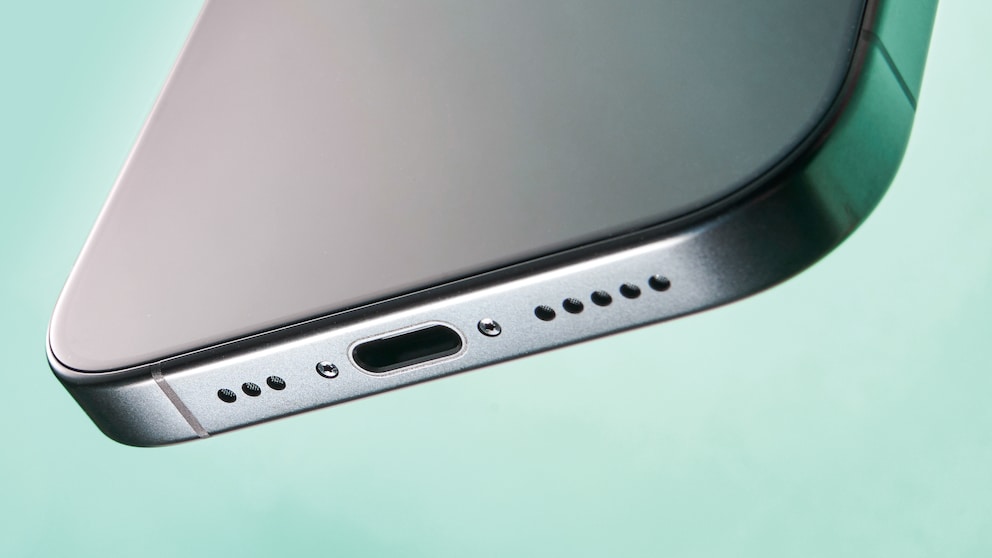
Since 2023, Apple has used a titanium casing for the Pro versions of the iPhone. Previously, the higher-priced models had a stainless steel frame. In 2025, the company might overturn its current formula. Not the Pro, but the new iPhone 17 Air is expected to feature titanium.
Titanium for More Stability in the iPhone 17 Air?
According to “MacRumors,” well-known industry analyst Jeff Pu discussed the materials of the upcoming iPhone 17 series in an investor note. The iPhone 17 Air is said to be the only new model with a titanium casing. For the iPhone 17, 17 Pro, and 17 Pro Max, Apple is expected to use aluminum exclusively. This information aligns with an earlier report from insider Ming-Chi Kuo that the iPhone 17 Air’s casing consists of a titanium-aluminum alloy.
Pu does not specify why titanium might be used for the Air instead of aluminum. Titanium is heavier than aluminum, which seems counterintuitive for a particularly thin and lightweight smartphone. However, titanium is significantly stronger and less prone to damage from bending.
The infamous Bendgate controversy was a direct result of an overly thin aluminum casing in the iPhone 6. Apple had to reinforce the frame by 0.2 mm in the successor, iPhone 6s. The iPhone 17 Air is expected to undercut the iPhone 6 with a thickness of 5 to 6 mm–and titanium could provide the necessary stability. The 5.8 mm thin Samsung Galaxy S25 Edge also uses a corresponding titanium frame.
Reasons for Aluminum in the iPhone 17 Pro
So far, only the iPhone 15 Pro/Pro Max and iPhone 16 Pro/Pro Max have a titanium casing. As TECHBOOK has already reported, there are several reasons why Apple might return to aluminum frames for the iPhone 17 Pro. The metal is more cost-effective and significantly easier to color. Additionally, the lighter and more thermally conductive metal could support Apple’s plans for the iPhone 17 Pro. Apple is planning a new cooling system to enhance performance during extended use.
While titanium is considered more premium and is significantly stronger, it also has drawbacks. It cannot be easily colored. Instead, it requires a special micro-blasted surface to offer different shades. The processing is also more complicated than with softer aluminum.