


February 18, 2026, 7:18 pm | Read time: 4 minutes
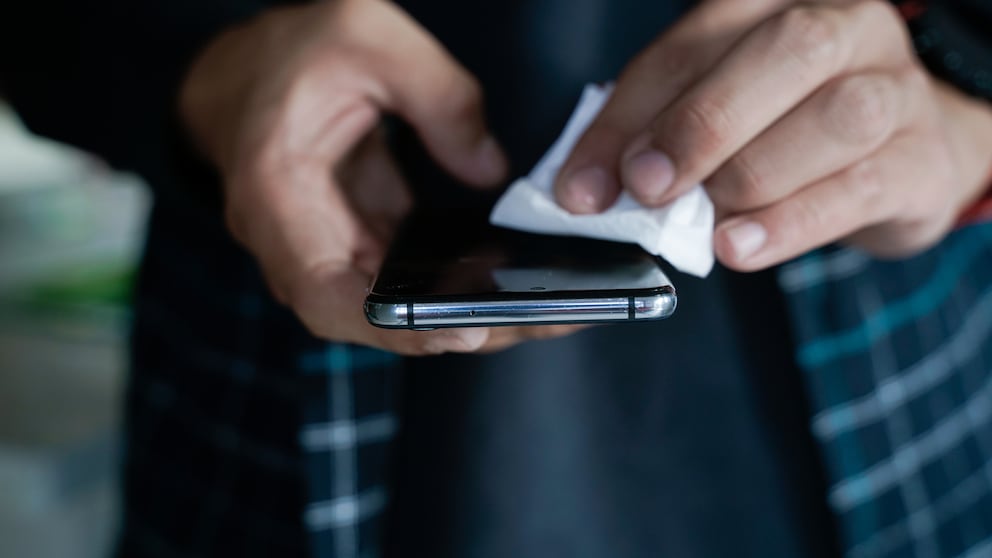
Many people use eyeglass cleaning cloths for smartphone maintenance, unaware that this can cause damage over time. TECHBOOK shows how to do it right.
Many eyeglass cleaning and wiping cloths state that they should not be used to clean smartphone displays. The reason is simple: The moist wipes contain isopropyl alcohol, which can damage the “oleophobic” coating on the display. Some manufacturers, such as Apple, explicitly advise against cleaning smartphone screens with eyeglass cleaning cloths or other alcohol-based solvents. Well-known home remedies like vinegar should also be avoided, as they are too harsh for the thin coating. Only exceptional situations, such as those experienced during the COVID-19 pandemic, may require the use of stronger disinfectants.
Overview
What Is an “Oleophobic” Coating?
Almost every smartphone user gets annoyed by unsightly fingerprints on the screen. But what most don’t know is that it could be much worse. Smartphone displays have a so-called “oleophobic”—meaning oil-repellent—coating that prevents every smudge from sticking immediately. Fingerprints are essentially grease stains caused by the sebaceous glands in our fingers. While fingerprints aren’t completely avoided, they can be wiped away much more easily than from a regular glass surface. Try wiping a fingerprint off a windowpane with just a cloth—the greasy fingerprint only spreads further on the glass.
The oleophobic coating also has another advantage: It gives the glass a slightly slippery and soft feel when touched. That’s why new smartphones are often much slipperier than those that have been used for some time. This is because the coating wears off over time—a process influenced by various factors such as the quality of the coating and the acidity of the finger’s sebum. Normally, the coating should last well over two years unless exposed to improper treatment.
Alcohol Is Bad for Smartphones
Moist wipes, many cleaning agents, and some cleaners explicitly advertised as “suitable for smartphone displays” contribute to accelerating the wear process. It’s all the more surprising that many supposed guides still recommend eyeglass cleaning cloths and water-alcohol mixtures as a secret tip for gentle smartphone cleaning. I can only advise against this and instead recommend a soft microfiber cloth if you want to clean your phone’s display as gently as possible.
Water-based solvents, which mainly contain water but also aggressive substances like acetic acid and alcohol, should generally be avoided. However, these solvents are significantly less harmful to the display and can be used in extreme cases. To treat the screen gently in this case, apply the water-based solvent to the cleaning cloth first, rather than spraying it directly on the display.
Also interesting: Clean and Disinfect Your Smartphone–6 Important Tips!

You Should Definitely Avoid These Mistakes When Cleaning the TV

How to Properly Clean a Smartwatch
How to Clean Your Smartphone Properly
In most cases, a microfiber cloth is entirely sufficient to get the smartphone clean again. Unlike a paper towel, which can leave scratches on the surface, a microfiber cloth leaves no traces thanks to its fine fibers. Additionally, the microfibers absorb grease and dust better.
Other items can also be cleaned with microfiber cloths, such as eyeglasses, PC monitors, and TVs. Often, eyeglasses come with such a cloth from the optician, which can also be used for the smartphone.
It’s best to turn off the screen so you can better see dirt on the glass. If necessary, slightly dampen the cloth, but only with pure water, no additives like soap or similar. Wipe vertically or horizontally in even motions across the screen for a flawless result. After wiping, clean the microfiber cloth to prevent dust particles or other dirt from sticking, as these could cause scratches the next time you wipe. Simply wash the cloth thoroughly in a mixture of warm water and soap, then let it air dry. Done.
Did I Ruin My Screen With an Eyeglass Cleaning Cloth?
If you’ve already cleaned your smartphone a few times with an alcohol- or acid-based wipe, there’s no need to worry. The oleophobic coating can withstand this treatment for a while—it just shouldn’t become a habit.
Do you still want to use the convenient, moist wipes for smartphone cleaning? There’s a solution for that, too: screen protectors made of plastic or tempered glass. These protectors can be easily replaced and come with their own coating. They also have the added benefit of protecting the screen from scratches and, in some cases, even cracks. Since screen protectors should be replaced more frequently anyway, you can simply wipe them with an eyeglass cleaning cloth without worrying about long-term effects—problem solved.