


March 18, 2026, 1:07 pm | Read time: 3 minutes
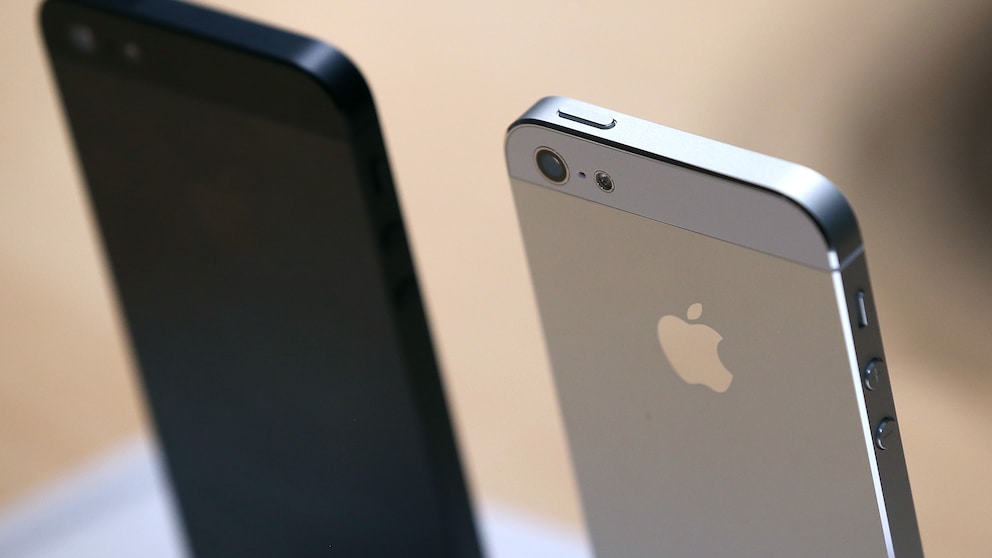
iPhones receive exceptionally long software and hardware support for consumer devices. Typically, Apple provides its smartphones with fresh updates on day one for five to seven years. After that, several more years of important security patches are added. The supply of spare parts often lasts even longer—ten years is not uncommon. However, even for the most popular retro iPhones, the end eventually comes. Apple has now declared the iPhone 4 and iPhone 5 as “obsolete.”
No Help for Defects
The iPhone 4 has not received updates since iOS 7 (2013) and the iPhone 5 since iOS 10 (2016). The last security patch for the iPhone 5 was released in 2019. Software-wise, both devices have long been obsolete. However, Apple continued to offer repair and spare parts services until recently. That has now ended: The company has updated the list of services for its devices after the warranty expires. The iPhone 4 and iPhone 5 will no longer receive repairs or spare parts. The update has so far only been made on the original page, while the German version is still in its old status.
This means the iPhone 5 received almost 14 years of hardware support from Apple. It was the first iPhone with a Lightning connector and is among the best-selling smartphones worldwide. More interesting, however, is the case of the iPhone 4—its launch was marked by the Antennagate controversy. Apple declared the 16 GB and 32 GB variants obsolete as early as 2016. The 8 GB iPhone 4 is only now, 10 years after the other variants and a full 16 years after release, being added to the list. Both devices received longer support than the iPhone 5C, 5S, 6, SE, and variants of the 6s.
The unusually long support period, even for Apple, has a reason. According to “MacRumors,” the 8 GB versions of the iPhone 4 and the iPhone 5 were offered significantly longer in developing markets. Although sales generally did not go through Apple directly, the company supplied local retailers with new devices.
Apple stamps out popular iPhones for good

Apple Signals the End for Popular iPhone Model
Millions of Devices Still Active Today
The iPhone 5 is among the top 10 best-selling smartphones of all time, with more than 143 million units (Source: Statista). With the iPhone 4, Apple overtook the then-dominant Nokia in 2010 with 100 million devices sold.
According to data from StatCounter, the iPhone 5 and older still have a market share of 1.1 percent. Currently, around 1.5 billion active iPhones are in circulation. Based on this number, the iPhone 5 and older still account for about 17 million devices. Even if this does not imply daily use, these are still iPhones that are occasionally turned on and perhaps used as backups.
How Long Devices Receive Hardware Support
Apple distinguishes between three support categories for repairs: supported, vintage, and obsolete (discontinued) devices. Devices are considered supported up to five years after the end of sales. During this period, repairs and spare parts are available.
Between five and seven years after discontinuation, Apple classifies devices as vintage. Repairs and spare parts are then only offered based on availability. After seven years, devices are considered obsolete or discontinued, and technical support ends.