

August 18, 2024, 6:24 am | Read time: 6 minutes
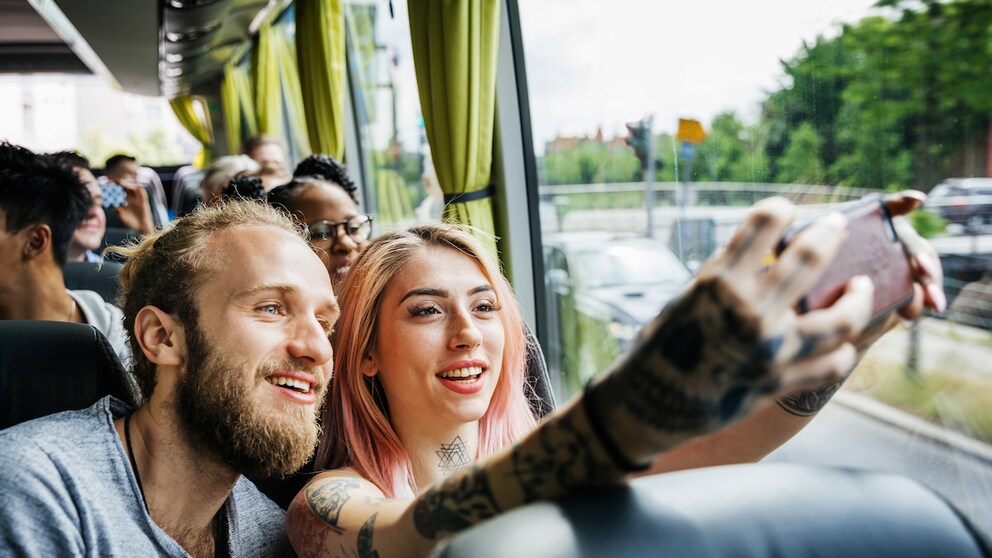
No vacation is complete without selfies, landscape shots, and beach photos. For many, it’s also essential to post the most beautiful and funny pictures on social media. However, this should never be done lightly. TECHBOOK reveals what you should consider before posting.
Whether it’s dreamy beaches, spectacular city views, or funny family snapshots, all these memories can be captured with a tap as a photo or video. Those who want to share these experiences with friends, family, and acquaintances simply post the pictures on social media. What seems like a convenient way to update all contacts comes with some pitfalls. Besides potential violations of copyright and personal rights, carelessly posted vacation photos can have more severe consequences. TECHBOOK has compiled what you should definitely consider when posting vacation photos on social media.
Who Can Post Vacation Photos on Social Media?
Once images are on the internet via Instagram, Facebook, TikTok, and others, they are hard to remove. But that’s not the only reason you should think carefully about posting vacation photos on social media. This also applies to the WhatsApp status, where you can upload pictures and short videos. Before posting a vacation photo on social media, make sure you are even allowed to do so.
In Germany, every photo is fundamentally protected by copyright, whether it’s an artistic and technically demanding shot or a random snapshot. If you want to publish a photo, you must first obtain the photographer’s permission, unless you took the picture yourself.
Once the photographer’s copyright is clarified, the first hurdle to posting a vacation photo on social media is cleared. However, you should do this over a secure internet connection. Especially when traveling outside Europe, there’s a tendency to use public Wi-Fi hotspots to save mobile data. But since criminals can monitor communication in unsecured networks, you should not carelessly share sensitive data like login information in these hotspots. If you’re in an unsecured Wi-Fi network, at least use a VPN connection.
Do the Photos Infringe on the Rights of Others?
Besides the photographer’s copyright, you should always consider the personal rights of the people photographed. The right to one’s own image applies to everyone, whether you want to share the vacation photo on social media or just in the family WhatsApp group. If a photographed person has not given their consent for publication, you may not post the picture. This also applies to minors, no matter how young they are. Embarrassing or discrediting photos of others should generally not be published.
An exception where the right to one’s own image is less protected is when the people are only a minor detail of the photo and not the focus. This applies to landscape shots as well as photos of crowds, such as at concerts. Here, you don’t have to ask every single person for permission if you want to publish the photo on social media. Nevertheless, you should be aware of your responsibility, as individual people can still be recognizable in such photos. Especially at political events, demonstrations, or on the beach, not everyone is pleased when strangers spread photos of them on social media without control.
Consider Copyright and Trademark Law
In addition to the personal rights of others, you should also be aware of the copyright and trademark rights of depicted objects or landmarks–otherwise, it can become costly. For example, if you photograph a work of art in a museum, you should first find out whether photographing and publishing it is even allowed. Images posted on a public social media profile are also searchable via search engines and thus accessible to everyone.
In general, photographing in public spaces and publishing the images is allowed. However, you should inform yourself about the exceptions at your vacation destination. For example, you can easily photograph the illuminated Eiffel Tower in Paris. But you may not publish this vacation photo on social media. The lighting of the Eiffel Tower is protected by copyright.
Also interesting: Beeping washing machine allegedly violates copyright

How to Photograph a Total Lunar Eclipse with Your Smartphone

How to Erase Social Media Mistakes from the Past
These Risks Apply to Children and Adolescents
Children and adolescents are as protected in their right to their own image as adults. However, in practice, many parents make the decision for their children. But who would like it if someone posted photos on social media without restraint, no matter how cute, funny, or clumsy they might seem? Alexandra Koch-Skiba, who heads the Eco Complaints Office, recommends involving children in the decision and selection of pictures. This way, they not only gain control over their own online presence but also become more aware of handling social media.
Even with this involvement, the expert advises against sharing photos where children and adolescents are naked or only lightly dressed. This includes photos in swimwear, as these images could fall into the wrong hands and be sexualized. Koch-Skiba also recommends blurring children’s faces on public accounts. This can be done with a smiley, by pixelating, or by only photographing the back of the head. The reason: Even seemingly harmless photos can be picked up by pedophiles, possibly edited, and spread in relevant forums. By obscuring the faces, at least the children’s identities are protected.
But not only children and adolescents are threatened by sexualization. Photos of women are also repeatedly picked up by criminals and increasingly processed and distributed as pornographic deepfakes through AI. Beyond this risk of abuse, it is advisable not to publicly post vacation photos where other people are recognizable in swimwear.
More Privacy Protects in Everyday (Vacation) Life
The only reliable protection against the misuse of image material is not to post vacation photos on social media at all. If you want to at least reduce the risk, you should–in addition to anonymizing children’s faces–carefully select the audience. This is easiest by posting from a private rather than a public social media profile. However, even then, the images may reach many people you wouldn’t normally share private pictures with. This also applies to the WhatsApp status, which can be viewed by all contacts by default. If you want to maintain as much control as possible over your vacation photos, it’s better to send them directly via messenger services, private social media chats, or email to selected family members and friends.
The Vienna police point to a completely different danger of posting vacation photos on social media. Publicly posting about your vacation could attract criminals and indirectly invite them to empty your vacant home. The police warning is: “Don’t post that you’re going on vacation! You never know who might take advantage of your absence.” Instead, you can post the vacation pictures retrospectively, as the beach will still look just as beautiful.
With material from dpa