

November 5, 2026, 9:47 am | Read time: 2 minutes
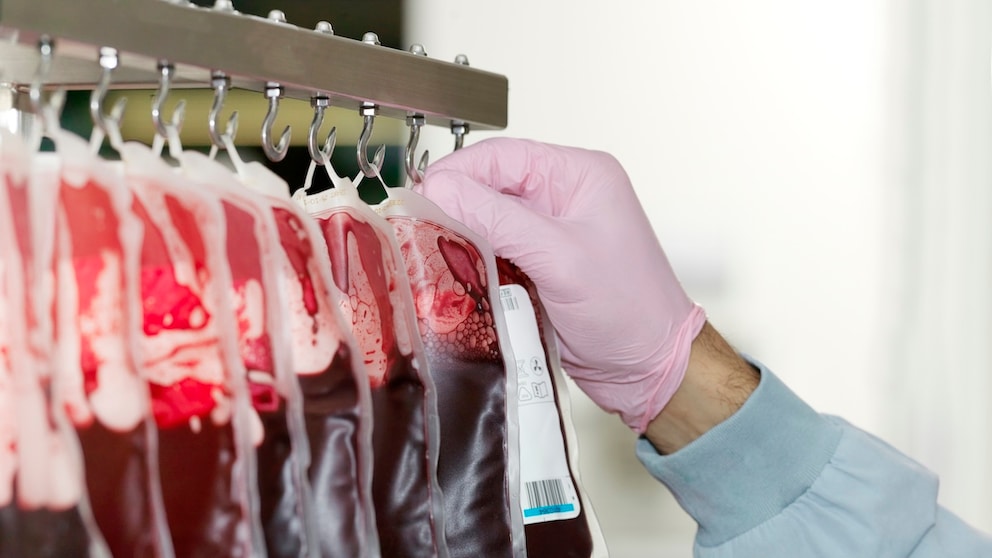
Hackers have apparently targeted refrigerators containing life-saving blood supplies. Unknown attackers reprogrammed several cooling units from minus 30 degrees to 110 degrees. The affected devices stored blood products. However, a technician noticed the intrusion in time, so no damage occurred.
Blood Supplies Remain Undamaged
The French blood donation service confirmed the cyberattack on three facilities of a service provider. The stored blood products were saved. “The safety of the products was not compromised,” said the head of the blood donation service, Frédéric Pacoud, to the broadcaster BFM.
Without the quick discovery, the attack could have had significantly more serious consequences. The refrigerators contained plasma bags intended for transfusions, as well as plasma for the production of medications. The attackers apparently exploited the fact that the operating technology of the facilities can be controlled online. The French cybersecurity agency and the country’s health ministry are investigating.

Hackers Disable Cooling Systems in Hundreds of Supermarkets

Hackers Target German Supermarkets
Hackers Also Target Refrigeration Units in Supermarkets
This is not the first attack of this kind. In recent days, cooling systems for food in supermarkets in Germany, Belgium, Estonia, Finland, Ireland, Italy, Luxembourg, the Netherlands, Portugal, Romania, and Sweden have been targeted by hackers.
Three weeks ago, there was already a massive cyberattack on outdated cooling systems of a Danish manufacturer in French supermarkets. The consequences were much more noticeable there. Large quantities of food had to be disposed of.
In these attacks, too, the online control of the systems played a role. According to experts, such industrial systems are particularly vulnerable because they connect IT systems with often outdated facilities.
More on the topic: Hackers Target German Supermarkets
Attacks Can Have Real-World Consequences
If cybercriminals manage to penetrate such systems, they can take over machines. Unlike an attack that affects only digital data, this can also cause direct disruptions in the real world.
The recent attacks on cooling systems show the potential extent: In the attack on the blood supplies, a technician prevented damage in time. The affected supermarkets, on the other hand, had to discard large amounts of spoiled food. Who is responsible for the various attacks and what the motive is remains unclear.