

August 23, 2026, 7:11 am | Read time: 5 minutes
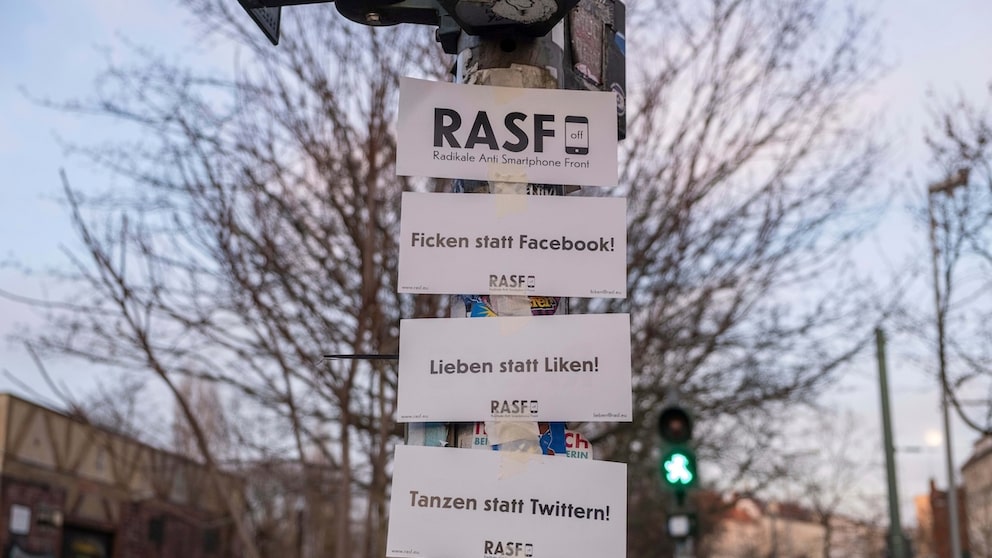
“Love Instead of Like,” “F*** Instead of Facebook”–the RASF (short for “Radical Anti Smartphone Front”) describes itself as a movement against the “excessive use of smartphones.” It specifically targets social media. With clear slogans, it is now present in several European cities through posters and flyers. What’s behind it? TECHBOOK spoke with the face and co-founder of the initiative.
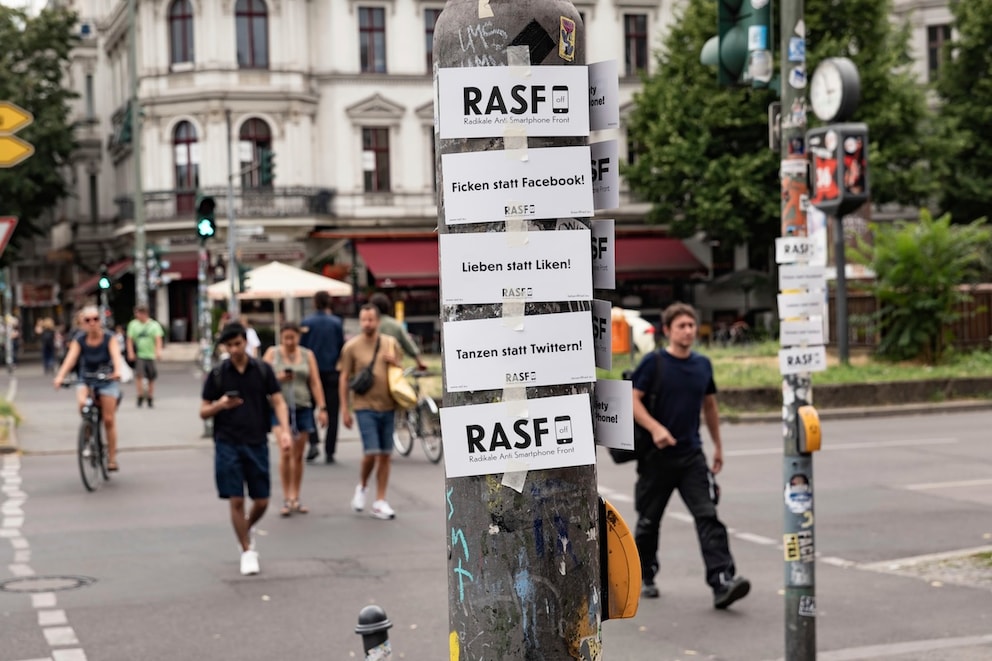
Do you live in Berlin or Hamburg? Then you’ve probably seen the eye-catching signs of the RASF. Initially, the actions focused on German cities, but the movement is now active in cities like London and Brussels. The posters and flyers are displayed on poles and walls in public spaces, conveying clear messages such as “Love Instead of Like” and “Dance Instead of Tweet.” The message is clear: Put down your phone, look at each other, touch each other–talk to each other!
Initiative Against the Excessive Use of Smartphones
Immediate social relationships are increasingly being displaced by smartphone communication. This summarizes the belief of the RASF, as you can learn on the movement’s website.
The RASF is not about getting people to dispose of their smartphones and communicate via carrier pigeon. According to its so-called manifesto, it aims to promote a more conscious use of modern technology.
Who’s Behind It?
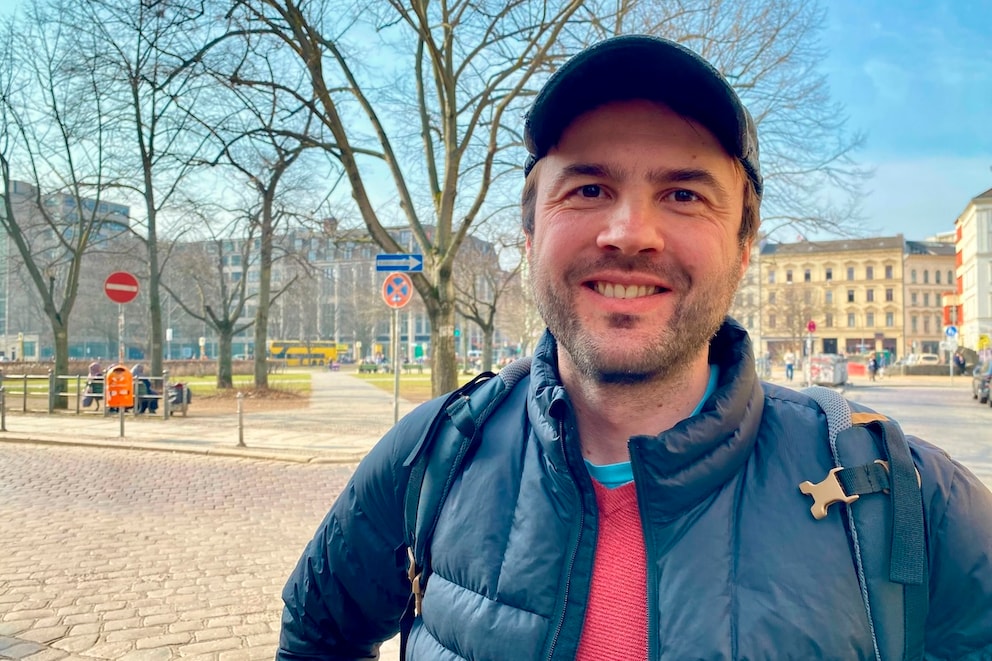
Benno Flügel is the face and co-founder of the movement. He tells TECHBOOK that he founded RASF with a friend 10 years ago. In 2016, the RASF published a text about so-called “smombies” and the impact on children when adults are physically present but mentally always in the digital world.
But then it was apparently dormant for a while. Only this year did Flügel resume his commitment, driven by a development he observes with concern: “After seeing our world go downhill for years, with lies, hate, and violence spreading unchecked on social networks, I reactivated the RASF this year.”
Why is the RASF “Radical”?
The RASF acknowledges the practical benefits of smartphones–such as for navigation, communication, or access to knowledge. “Radical” for the movement does not mean rejecting smartphones or social media outright. “We are radical because we rebel against the status quo in our society,” the founder explains. “We want to change the world with words.”
Their criticism is less about screen time itself and more about the societal consequences of smartphone use: self-presentation and social comparison, personalized digital bubbles, polarization, and the increasing influence of algorithms on what information we see and how we spend our time. The RASF contrasts this with the quality of personal relationships. Many digital contacts and followers, according to their manifesto, cannot replace what a few real friendships can achieve.
“In our view, a smartphone should be a tool that saves time, not wastes it. People should walk through the world with open eyes, not end up in closed echo chambers.”
Making Noise Against Digital Media in the Analog Space
The RASF sees itself as a platform for people who share the criticism of smartphone and social media use. On their website, they invite participation and publish personal statements from supporters. According to Flügel, the RASF is organized and managed solely by him–as an activist and artist. At the same time, many people have shown solidarity with the movement and “identify with the RASF.” Behind his actions is thus a larger group of supporters.
The RASF places its messages in the analog public space. These are small, concise signals meant to consciously interrupt daily life. Ideally, you’re liking a post on TikTok or sending a meme to a friend while walking, look up briefly–and find yourself in front of a sign reminding you that real life doesn’t happen on a phone screen. “Dance Instead of Tweet” and similar slogans are direct attempts to divert the viewer’s attention from the smartphone for a moment.

How Harmful Are Media for Children Really?

“Her” and the Question: Why Choose Real Love When I Can Have Virtual?
Anti-Smartphone Movement That Ends Up on Social Media
Through this small detour, the RASF ironically benefits from the very digital system it criticizes: Its posters are photographed, shared on social networks, and then picked up by the media. This may seem contradictory at first, or perhaps not. The RASF uses digital attention to highlight the consequences of this attention economy.

Everyone should decide for themselves how to handle the flyers. “Tell friends about it, take a flyer, take a photo, or even post it on social networks? How do you spread a message you like? These are exactly the questions I want to ask,” says Flügel.
How Do You Measure Whether RASF is Successful or Has Failed?
In his actions, he speaks daily with numerous people who support and motivate him to continue, Flügel reports. This street-level response is “the greatest success” for him. People from all walks of life support the RASF’s message. Scientists and artists also warn of the dangers of excessive phone use. He sees himself as “an instrument in a larger orchestra.”
Even if the RASF’s cause sometimes seems hopeless, as Flügel admits. He hopes that it will lead to changes in societal conditions. Rebellions are built on hope. And if the world continues as before, at least he tried.