

September 22, 2025, 4:11 pm | Read time: 2 minutes
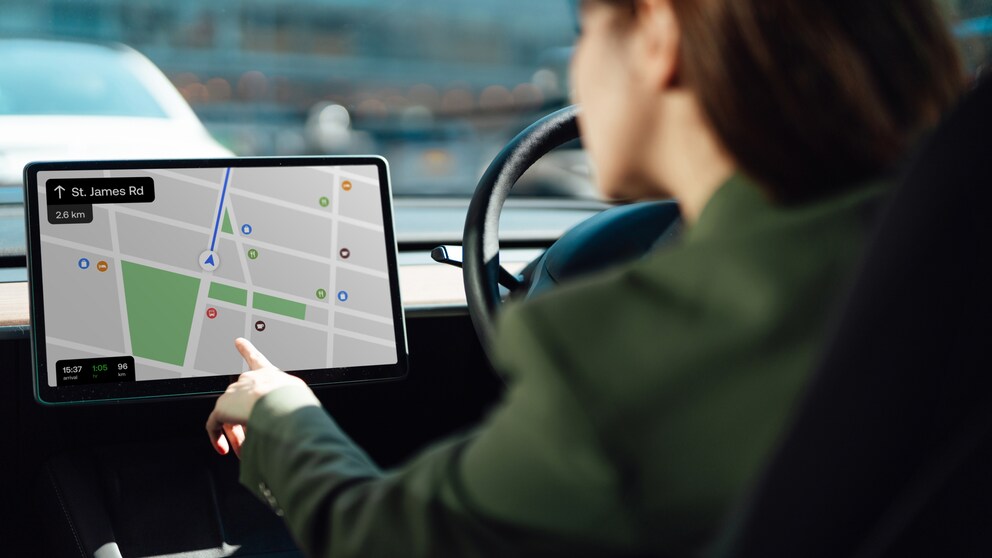
Sleek displays instead of traditional buttons–nowadays, every modern car features one or more touchscreens. But what initially seems like progress can become a dangerous distraction in traffic. According to The Economist, studies suggest that looking at the display significantly increases the risk of accidents–in some cases, even more than driving under the influence of alcohol.
Digital Controls Demand More Attention
While buttons and rotary knobs can be operated blindly, touchscreens require full concentration, precise tapping, and often multiple steps. Tests by the Swedish automotive magazine Vi Bilägare show the difference: Drivers using traditional controls took less than ten seconds to adjust the radio or air conditioning. In vehicles with only touchscreens, the same task took significantly longer–up to 45 seconds in the MG Marvel R.
Back in October 2024, my colleague Mo highlighted the tests by Vi Bilägare as a good example of how traditional buttons are simply safer.

In December—These New Rules Affect Everyone!

Editor: “Why I’m So Happy About the Comeback of Buttons”
Studies Confirm Increased Distraction
Scientific studies also support these findings. According to researchers from the Norwegian organization Sintef, even changing the temperature distracts from traffic for an average of 3.5 seconds. For more complex tasks like navigation or app operation, the distraction can extend up to 16 seconds. A particularly striking comparison from the British Transport Research Laboratory in 2020 found that reaction times when using touchscreens decrease more than for drivers who are above the legal blood alcohol limit.
Auto Industry Responds to Criticism
The results are not without consequences. Euro NCAP, the European vehicle safety organization, will tighten criteria for top ratings starting January 2026. Only vehicles that continue to offer central functions like turn signals or windshield wipers via physical switches can achieve the highest rating. Although the guidelines are not legally binding, they are considered a crucial selling point for manufacturers. As reported by the tech portal Golem, companies like Volkswagen and Hyundai have already started reintroducing traditional controls in newer models.