

July 2, 2024, 4:14 pm | Read time: 3 minutes
The European Union (EU) established a stricter legal framework for large corporations with the Digital Markets Act (DMA) in 2022 to balance competition in its member countries. Now, the EU Commission is warning Meta. TECHBOOK explains what this is all about.
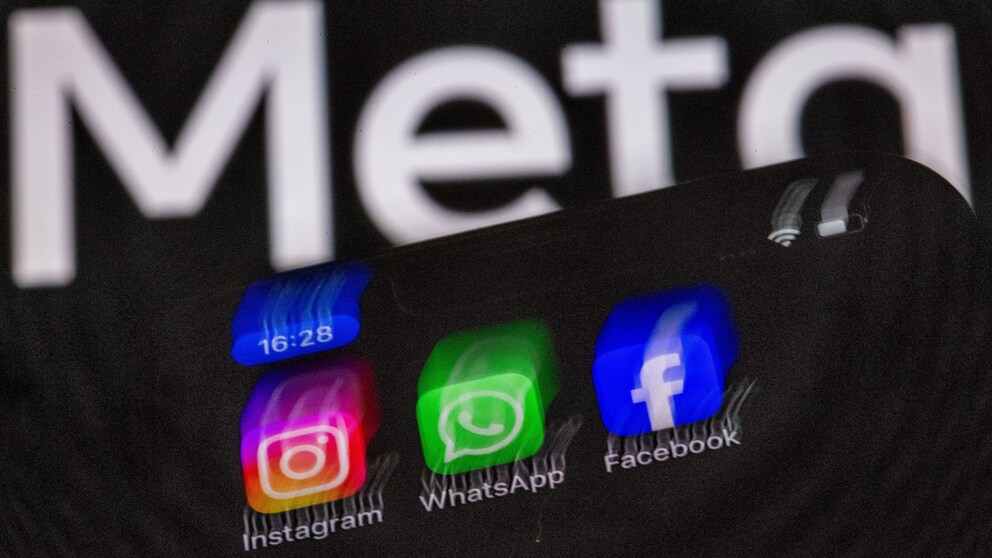
Meta (formerly Facebook) is one of the largest and most significant corporations in the world. The company owns well-known networks such as Instagram and Facebook, as well as the messaging service WhatsApp. This gives the company a certain dominance and, according to current EU law, makes it a so-called “gatekeeper.” Special guidelines apply to these in the EU to keep competition fair. This is outlined in the DMA (and also in the DSA). However, the EU Commission now accuses Meta of violating these with its current payment model. But wasn’t this model introduced to comply with the DMA?
Meta’s Payment Model Could Violate EU Law
Meta currently operates under a “Pay for Privacy” principle. This means that anyone who wants to use Meta’s services must either pay a fee or agree to the use of their data to receive personalized advertising. The EU Commission criticized this, stating that the current model does not provide users with sufficient choice. “We want to enable EU citizens to gain more control over their data,” said EU Competition Commissioner Margrethe Vestager.
Meta introduced its new subscription in the EU only in November 2023. Anyone who does not want to see personalized advertising must pay at least 9.99 euros per month—for one platform. For those using both Instagram and Facebook, an additional fee applies. This was due to the DMA regulations, which stipulate that users must explicitly consent to their social media activity data being used for personalized advertising.
This model was already declared inadmissible by the EDPB (European Data Protection Board) in April. The Commission has now confirmed this. Due to the extensive reach of both platforms, users essentially have no choice, especially since the offered subscriptions are not equivalent. The model also leads to Meta accumulating an excessive amount of user data—a lucrative business in today’s digital age. It concerns both consumer protection and compliance with EU competition equality laws.
Also of interest: Instagram and Facebook use private data for AI! Here’s how you can object

Pay or Share Your Data? The Controversial Subscription Model on Facebook and Instagram

EU Initiates Proceedings Against Apple; Up to €35 Billion Fine Possible
What Consequences Does the Company Face?
The EU’s recent statement was already anticipated. After all, it is just another step in the proceedings against the corporation and is based on a preliminary investigation. The EU Commission’s investigation against Meta in this matter must be completed by March 25, 2025. But what consequences does the company face if the Commission concludes that Meta has indeed violated the DMA?
In this case, the EU could impose a hefty fine on Meta. Typically, no exact amount is set. Instead, companies are required to pay a percentage of their global revenue. A fine of up to 10 percent is possible. In Meta’s case, this would amount to around 12.5 billion euros.
Meta Is Not the Only Corporation the EU Warns
A substantial sum, but one that could be topped by Apple. The EU also preliminarily found a violation in this case. Specifically, it concerns the app store regulations of the U.S. company. With a potential fine of 10 percent of annual revenue, it could amount to up to 35 billion euros.
Meta must now respond to the EU Commission’s allegations. A spokesperson told the “Tagesschau” that the current payment model complies with the DMA. They also look forward to a “further constructive dialogue with the European Commission to bring this investigation to a conclusion.”