

November 24, 2025, 7:38 am | Read time: 2 minutes
The EU wants to introduce the digital passport, including a passport app for smartphones, to simplify border crossings. However, there are concerns about data protection, especially due to biometric features.
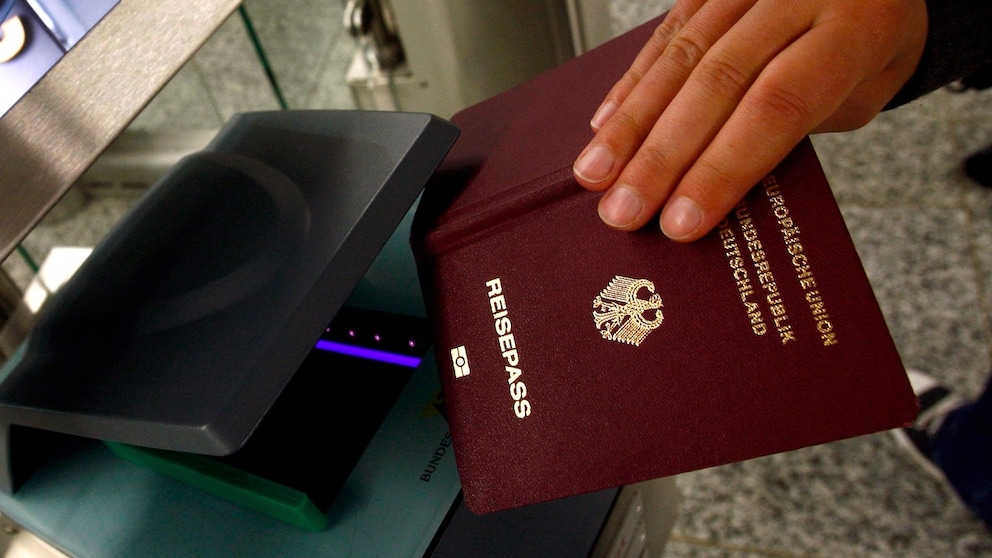
The EU has paved the way for a digital passport on smartphones. With the Council’s adopted negotiating position, the final phase begins for a regulation that aims to introduce digital travel documents across the Union. The goal is to simplify border crossings and make processes more efficient for authorities and travelers. Usage remains voluntary, and a physical passport or ID card is still required.
Data Transmission Before Border Crossing
The planned EU travel app will include a digital, officially certified version of the travel document. Like the physical passport, it will contain biometric features, such as the passport photo and fingerprints. Travelers can transmit their data before arriving at the border to speed up the control process.
The implementation is handled by the EU agency eu-LISA, which already operates systems such as the Visa Information System (VIS) and the Entry/Exit System (EES). The new digital travel application will be directly linked to these platforms and will also be usable for applications in the planned travel authorization system ETIAS.
Biometrics: Data Protection Concerns
Criticism comes from civil rights organizations like EDRi, which warn of the potential consequences of an expanded biometric surveillance apparatus. The app plans to use automated facial recognition to match the digital identity with the traveling person.
Before the system can start, the Council and Parliament must find a common position. Only then can the regulation be adopted and the technical implementation prepared.