

August 14, 2026, 7:13 am | Read time: 2 minutes
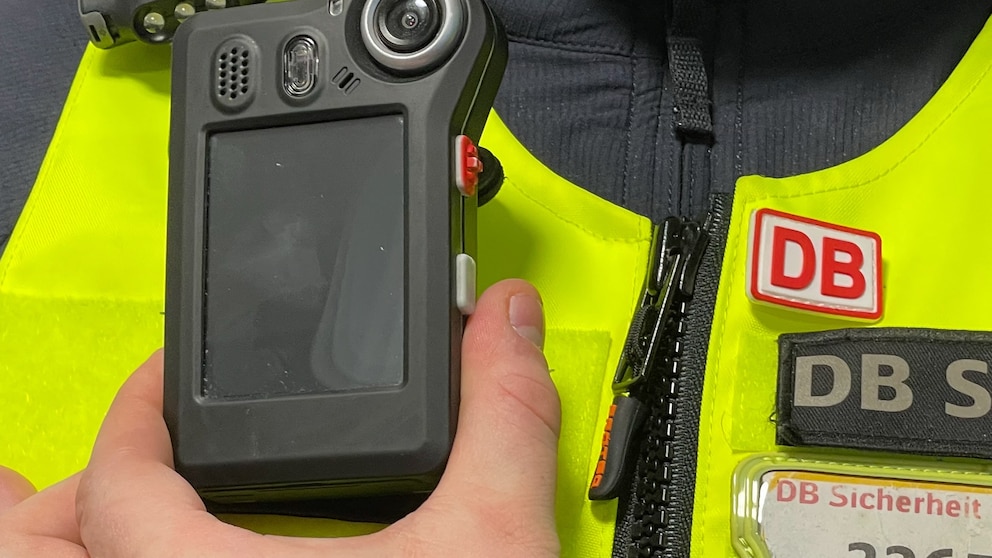
Insulted, spat on, shoved, or hit: For many railway employees, violence has become part of their daily work life. Now, Deutsche Bahn wants to better protect its employees and is testing bodycams that record both images and sound.
Nearly 1,000 Attacks in Six Months
In the first half of 2026 alone, DB Regio recorded 989 attacks on employees. In 781 cases, these were simple assaults such as shoving, grabbing, or spitting. There were also 185 attempted and 22 serious bodily injuries. At the beginning of the year, a railway employee lost their life.
Situations can quickly escalate, especially during ticket inspections. That’s why the railway already uses bodycams to document incidents. In the future, the cameras are expected to do more: Starting in the fall, DB Regio will test models with additional sound recording capabilities.

DB Discontinues App: What Users Need to Know

Deutsche Bahn Eliminates Physical BahnCard
Bodycams Aim to Deter Offenders
The two-month pilot project is set to start by October 1, 2026, in the Rhein-Neckar-Pfalz region. The audio recording is intended to have a deterrent and de-escalating effect. At the same time, the recordings can help in the later investigation of crimes. After the test, the function is to be gradually introduced nationwide.
In terms of data protection, the railway wants to play it safe. According to DB, the Hessian Commissioner for Data Protection and Freedom of Information is involved in the pilot project. How exactly the recordings are stored and evaluated is likely to play an important role in further implementation.
Railway Relies on a Comprehensive Security Package
The audio function is just one of several measures. DB Regio is also relying on double staffing in customer service and so-called 1/1 escorts. In this setup, a second person with security knowledge supports customer service representatives during inspections. Larger inspection groups with six to eight employees are also intended to enhance security.
Additionally, the railway is expanding personal protective equipment. Customer service representatives receive stab-proof vests, while the Mobile Support Group is equipped with helmets. Furthermore, the priority call system is to be more closely integrated with the bodycams. Employees can already request help at the push of a button on their wristbands. The railway is also examining the use of artificial intelligence—how exactly it will help is not yet determined.