

March 27, 2026, 7:23 am | Read time: 2 minutes
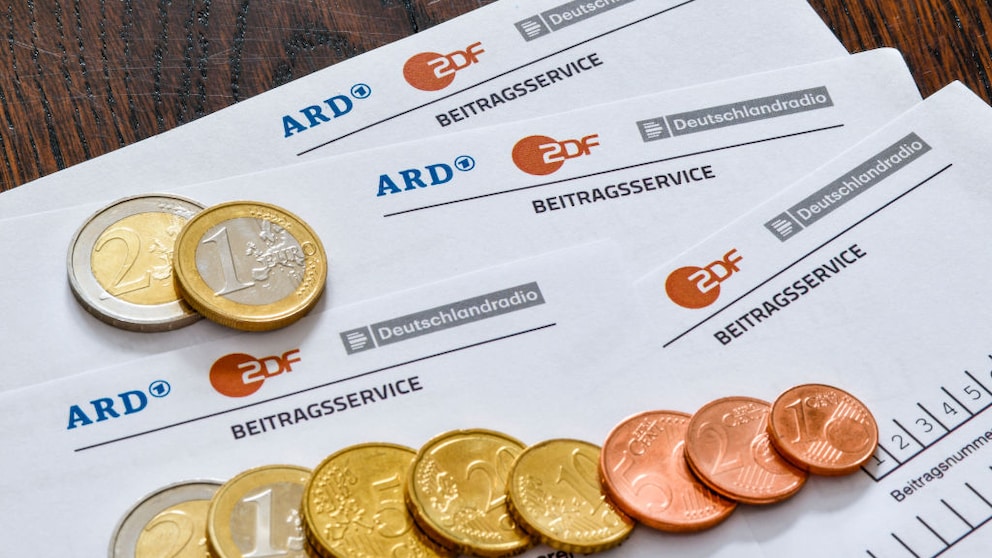
The broadcasting fee causes frustration for many. Most Germans pay 18.36 euros monthly, with only a few groups exempt. Students or people receiving citizen’s income or basic security do not have to pay the fee. In some federal states, such as Saarland, civil servants can even receive subsidies for the broadcasting fee under the “minimum civil servant alimentation.” Everyone else is required to pay the fee.
The German Taxpayers Association (BdSt) sees this regulation as a potential inequality and therefore supports a test case by a citizen before the Mecklenburg-Vorpommern Finance Court. The goal is to determine whether the broadcasting fee could be tax-deductible in the future.
Inequality Among Taxpayers?
The plaintiff in the test case wanted to claim the broadcasting fee on his income tax return. However, the tax office rejected it, stating that the fee falls under personal living expenses. This is precisely what the BdSt wants to challenge. The organization argues that for people receiving citizen’s income or certain civil servants, the broadcasting fee is not a private expense but part of the socio-cultural subsistence level.
According to the BdSt, access to public broadcasting is a basic necessity in Germany. Those who need this access should receive it for free if necessary. Therefore, it is only logical to consider the fee as a special expense or extraordinary burden for tax purposes.
Tax Savings Possible for Millions
If the court follows the BdSt’s argument, millions of taxpayers could deduct the broadcasting fee from their taxable income in the future. Depending on the individual tax rate, this means a few euros saved per year.
However, it may take time for a final ruling. If the court decides in favor of the taxpayers, it would not only be financially significant. The societal perception of the fee could also change. Debates about abolishing or reducing the broadcasting fee could gain momentum again.