


October 30, 2025, 12:09 pm | Read time: 3 minutes
Apple has long used OLED displays in the iPhone and Apple Watch. In 2024, the iPad Pro with M4 was added, featuring two OLED panels. However, most of the product lineup still uses LCDs–this is set to change.
MacBook Pro and iPad Mini Take Priority
According to Bloomberg, Apple is working on new versions of the iPad Mini, iPad Air, MacBook Pro, and MacBook Air that will be equipped with OLED displays. The report cites information from people familiar with the matter, indicating that the company is already testing the new display panels.
The iPad Mini could be the first to receive an OLED upgrade as early as 2026. Not only will the display be new, but the casing as well. Insider sources suggest Apple plans to use a waterproof design, possibly with an IP rating like the iPhone and recently the AirPods Pro 3. To this end, Apple is reportedly testing vibration speakers that do not require an opening in the casing.
Also of interest: Apple introduces M5 chip in new iPad Pro, MacBook Pro, and Vision Pro
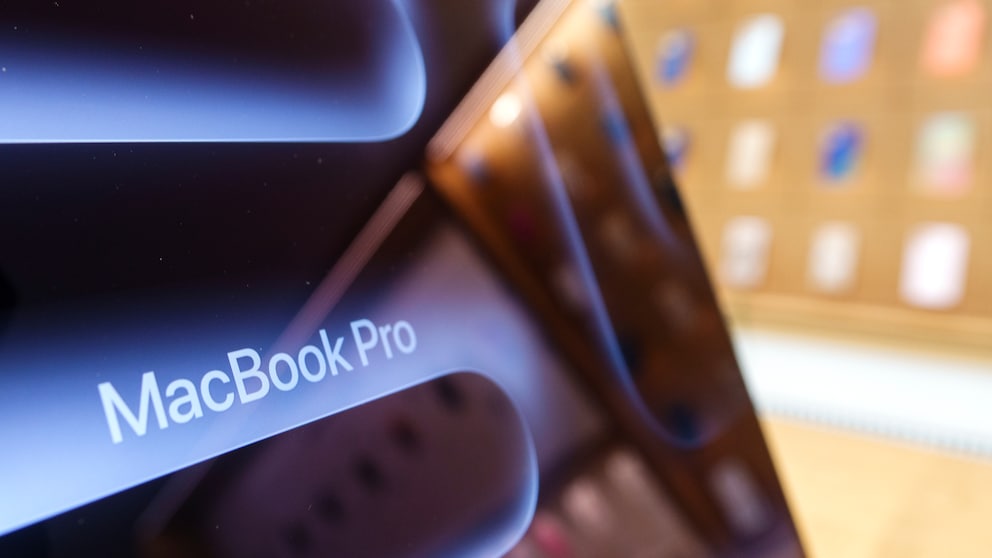
A previous report indicates that the MacBook Pro could also receive a new display by late 2026 or early 2027. Apple is likely to first release the 14- and 16-inch versions of the high-end laptop with M5 Pro and M5 Max in early 2026. The OLED successor is expected to launch directly with M6 and, for the first time in a Mac, feature a touchscreen.

New iPad Mini with OLED Display Planned for 2026

What New Devices Does Apple Have in the Works?
Air Models to Follow Later
The iPad Air is set to appear in early 2026 still with an LCD display. An OLED version is planned but not expected before 2027. No upgrade is planned for the entry-level iPad.
The MacBook Air is also scheduled for a model update in early 2026–but initially, it will only feature LCD technology. Only after the MacBook Pro is fully converted to OLED might the Air receive a display upgrade, likely not before 2028.
OLED Could Make Devices More Expensive
OLED technology offers several advantages, such as higher contrast and richer colors. Additionally, because the pixels are self-illuminating, they don’t require backlighting, allowing for a slimmer device design. However, OLEDs are more expensive than LCDs, and only a few manufacturers have the capacity to produce high-quality panels in large quantities. While the display technology is now widespread in smartphones and wearables, laptop and tablet manufacturers have so far only used it in a few premium devices.
According to Bloomberg, the introduction of OLED could lead to a $100 price increase for the iPad Mini. With a starting price of $499 (549 euros), the tablet is one of the more affordable Apple devices. It is unclear whether the MacBook Pro, MacBook Air, and iPad Air will also become more expensive due to the switch. Given the lower profit margins on the Air models, it would be surprising if Apple absorbed the additional costs entirely.