

August 13, 2025, 12:27 pm | Read time: 4 minutes
They were once major manufacturers of consumer electronics. However, for various reasons, these companies couldn’t sustain themselves in the market and have since disappeared. TECHBOOK highlights five companies you might remember from the past that no longer exist.
The reasons for a company’s demise in the tech sector are often similar. Some react too late to technological innovations, others bet on the wrong products, or are simply poorly managed. Even true giants of the tech industry have fallen victim to these fates in the past.
Compaq
The name Compaq was prominent on many home computers in this country from the mid-1990s until a few years after the turn of the millennium. The U.S. manufacturer began building desktop PCs for home use in the mid-1990s–ahead of many others. Compaq’s Presario series was particularly popular because it was delivered with good equipment.
The disappearance of Compaq had nothing to do with bankruptcy. Instead, tech giant Hewlett-Packard acquired the company through a merger in 2002. In some countries, including Germany since 2008, the brand continued until 2013 at the latest. After that, the name was finally retired.
Siemens Mobile
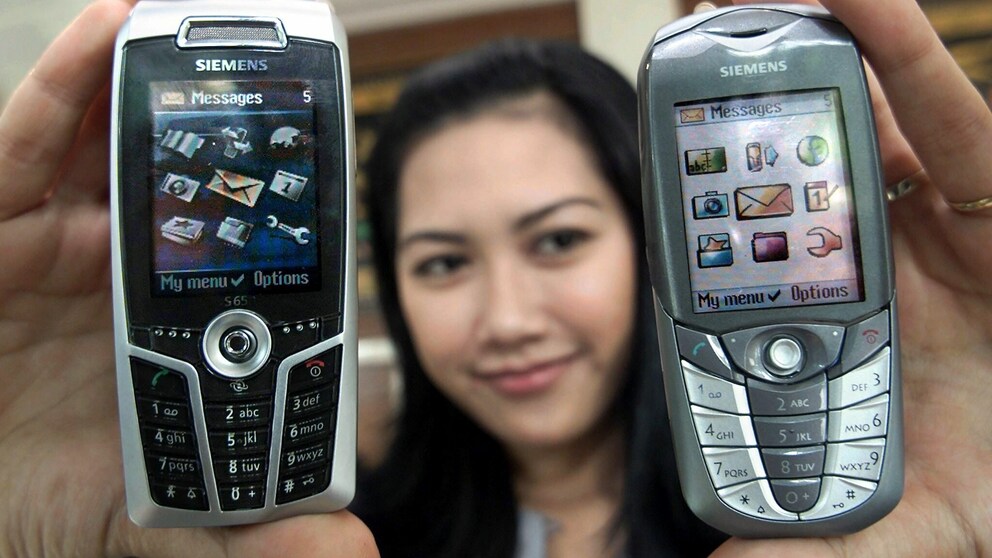
Do you remember the last really big German cell phone manufacturer? Siemens Mobile was one of the major brands in the mobile phone sector in the 1990s and even pioneered the first devices for a larger audience at the beginning of the decade. 2005 marked the end for Siemens’ subsidiary. You can find the complete and fascinating story of Siemens Mobile in our article:
The Rise and Fall of the Former Mobile Giant Siemens Mobile
Netscape
“Netscape Communications” was one of the largest software companies in the Internet sector in the mid-1990s. Netscape gained popularity with its Internet browser, the “Netscape Navigator.” Until 1996, it was the most popular browser on Windows PCs and Macs worldwide. For Internet users back then, it was usually their first contact with the World Wide Web. It’s hard to imagine today, but you had to pay to use the Internet browser back then. The first version cost $39.
The top spot among browsers–due to lack of competition–didn’t last long. In the so-called browser war, the “Netscape Navigator” had to almost completely yield to Microsoft’s new “Internet Explorer” in just two years. This came free with every Windows PC and not only ended Netscape’s browser dominance but also heralded the downfall of the entire company. The last version appeared in 2008, ten years after Netscape had practically vanished from the scene.
However, the spirit lives on to this day. Based on the code, “Mozilla” was founded, marking a return to the browser business.

What happened to Napster, Second Life and Co.

You can try Windows 3.11 in your browser on this website.
Palm
Before BlackBerrys were the ultimate for businesspeople, it was often the organizers from Palm. The so-called PDAs (Personal Digital Assistants) look like prehistoric iPhones. Around the turn of the millennium, Palm was THE manufacturer of stylus-operated pocket computers and had the–albeit small–market largely to itself.

Devices like the “Palm Zire” from 2002 couldn’t do much more than a calendar, but they were very handy and somehow cool. Since the devices had no entertainment value and you couldn’t make calls with them, the masses naturally stuck with conventional cell phones.
With the rise of competition, especially from Microsoft, and eventually the invention of the smartphone, Palm’s relevance ended. In 2010, Hewlett-Packard bought the company and sold the naming rights to China in 2015.
Minolta
Today, when buying a camera, many people ask: Canon or Nikon? But in the last third of the 20th century, it was different. You could still ask: Canon, Nikon, or Minolta. The Japanese company was the third-largest camera manufacturer in the world at that time.
Overall, Minolta’s company history spans from 1928 to 2006. A year before withdrawing from the camera business, they announced a partnership with Sony to develop new digital cameras. However, this did not materialize, and Sony instead acquired some of Minolta’s systems and incorporated them into its own cameras. Under the name “Konica Minolta,” the Japanese company then shifted its focus to other industries, such as cloud solutions.