

February 27, 2017, 2:18 pm | Read time: 4 minutes
Those who watch TV via antenna will need new equipment, such as a receiver, for the upcoming DVB-T2 standard. And what else? TECHBOOK shows what needs to be purchased and how much the switch to DVB-T2 will cost.
The new antenna standard DVB-T2 will replace DVB-T at the end of March. Viewers will initially benefit: TV channels will finally be available via antenna in sharp HD resolution, and the selection of channels will also increase. However, there is a major drawback: Antenna users will inevitably need new reception devices. Why? The old DVB-T standard will be switched off in metropolitan areas on March 29 and gradually in many other regions until 2019. Do I need to buy new receivers and other equipment? And what does the switch cost?
Top Articles on the Topic

Do I Need a New Antenna?
No! Don’t let electronics stores or manufacturers talk you into it: The old antenna can handle the new HD channels because DVB-T2 uses the same frequencies as DVB-T.
If you plan to switch to antenna TV in the future and are considering buying a new antenna, you should first check whether an indoor antenna for the living room is sufficient or if an outdoor antenna is necessary for good reception. The best way to do this is through the official DVB-T2 information portal, where a reception check can be conducted for your residential area. A simple indoor antenna is available for around 15 euros, and outdoor antennas start at about 30 euros.
Do I Need a New Receiver?
Yes! If you want to continue watching TV via antenna, you can’t avoid buying a new receiver. The reason: DVB-T2 uses a different video standard than DVB-T, known as H.265. Older DVB-T receivers cannot decode this, and not all newer devices are suitable either: Private channels are encrypted on DVB-T2, and to watch them, you need an annual subscription from the network operator Freenet (69 euros). To enable decryption, you need either a special Freenet receiver (recognizable by the Freenet logo on the packaging) with built-in decryption or a model with a CI+ card slot. A corresponding module for about 70 euros can be inserted into this slot to unlock private channels via Freenet.

Photo: Freenet / Initiative DVB-T2 HD
Good devices like the Xoro HRT 8720 with built-in Freenet decryption are around 60 euros. If you already know that you will never want to receive private channels, you can opt for a cheaper model, such as the Xoro HRM 7619 for 35 euros. Important: When purchasing, always look for the green “DVB-T2 HD” logo on the box – only devices with this logo can actually receive the new standard.
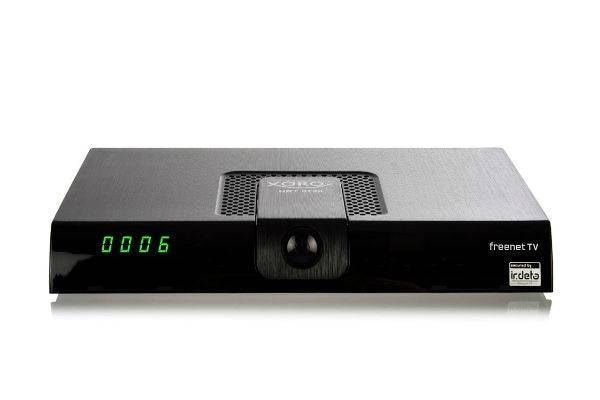
Photo: Xoro

How to Tell if Your Receiver Supports DVB-T2

Which TV Connection Is Right for Me?
Do I Need a New TV?
No! Many older mid-range and high-end TVs already have a built-in DVB-T tuner, which is not compatible with the new DVB-T2 standard – but you don’t need a new TV because of this. If the built-in tuner no longer works, a new receiver, as described above, connected via HDMI cable, will suffice.
Many new TV models, such as those from last year, now have DVB-T2 receivers built-in. If you’re not entirely sure, it’s worth taking a quick look at the manual.
What Programs Are Available on DVB-T2 HD?
With DVB-T2, the selection of programs also changes: Private channels will cost additional fees in many regions of Germany starting March 29, otherwise, the screen will remain black. TECHBOOK reveals in this article what other costs viewers can expect.