

June 12, 2026, 12:36 pm | Read time: 3 minutes
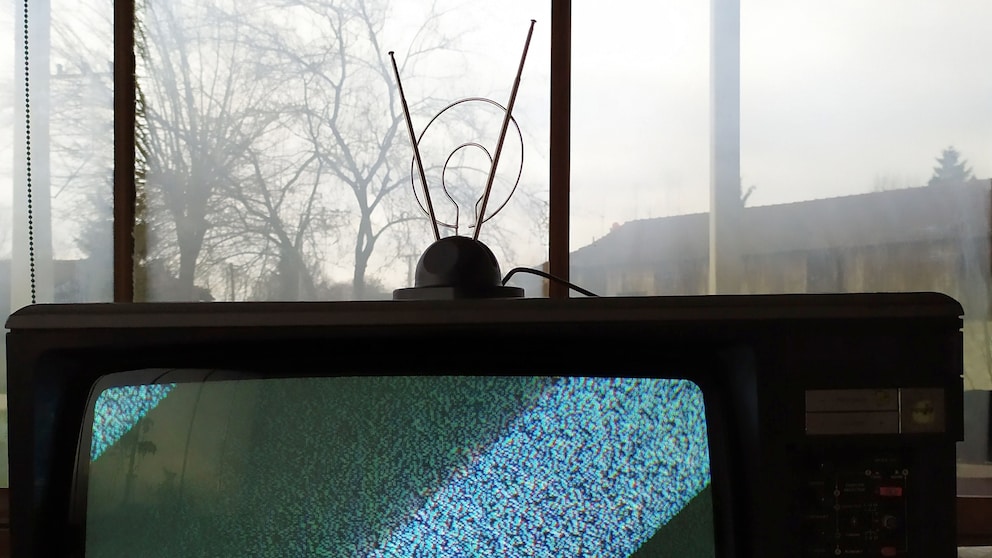
The UHF frequency band could be reallocated after 2030. This would primarily benefit mobile networks. For DVB-T2 antenna television, however, the development could have far-reaching consequences.
Why the UHF Band Is Suddenly So Important
When mobile networks reach their limits, it’s not always due to a lack of transmission towers. A crucial factor is also which frequencies are available to network operators. Lower frequency ranges are particularly coveted because they cover large areas and penetrate buildings better than higher bands.
This is precisely why the UHF band between 470 and 694 megahertz is currently in focus. This spectrum is currently used, among other things, for DVB-T2. Since the current frequency allocations expire after 2030, a reallocation is now being discussed. A study by WIK-Consult, commissioned by Telekom, Vodafone, and Telefónica Germany, examines whether more frequencies should be allocated to mobile communications in the future.

How Does a Mobile Network Actually Work?

What the Next Generation of Mobile Networks, 6G, Will Bring
Mobile Providers See Great Potential
From the perspective of network operators, frequencies around 600 megahertz offer significant advantages. According to the study, mobile capacity in rural areas could increase by 33 percent and in semi-urban areas by 14 percent without needing to build additional transmission sites. Users, especially along transportation routes, in rural areas, and inside buildings, could benefit from improved coverage.
The potential benefits of such frequencies are demonstrated by the example of T-Mobile US. The mobile provider secured extensive 600-megahertz frequencies back in 2017 and later used them to expand its nationwide 5G network. The key advantage was not so much higher peak speeds but rather significantly greater range and better building penetration.
What the Reallocation Would Mean for DVB-T2
The more attractive the UHF band becomes for mobile communications, the more DVB-T2 comes under pressure. According to the study, around 2.3 million households in Germany still use terrestrial TV reception. At the same time, user numbers are continuously declining, while distribution costs remain high. ARD and ZDF alone spent more than 290 million euros on DVB-T2 between 2021 and 2024.
An end to linear television would not necessarily mean a reallocation of frequencies. Content could increasingly be distributed via IP networks or technologies such as 5G Broadcast in the future. Moreover, the debate affects not only television and mobile communications: Authorities and organizations with security tasks will also need additional radio capacities in the future. Thus, the discussion about the UHF band is increasingly developing into a fundamental infrastructure issue. While a shutdown of DVB-T2 has not been decided, the future of antenna television is likely to be reassessed after 2030.