


September 23, 2026, 11:37 am | Read time: 3 minutes
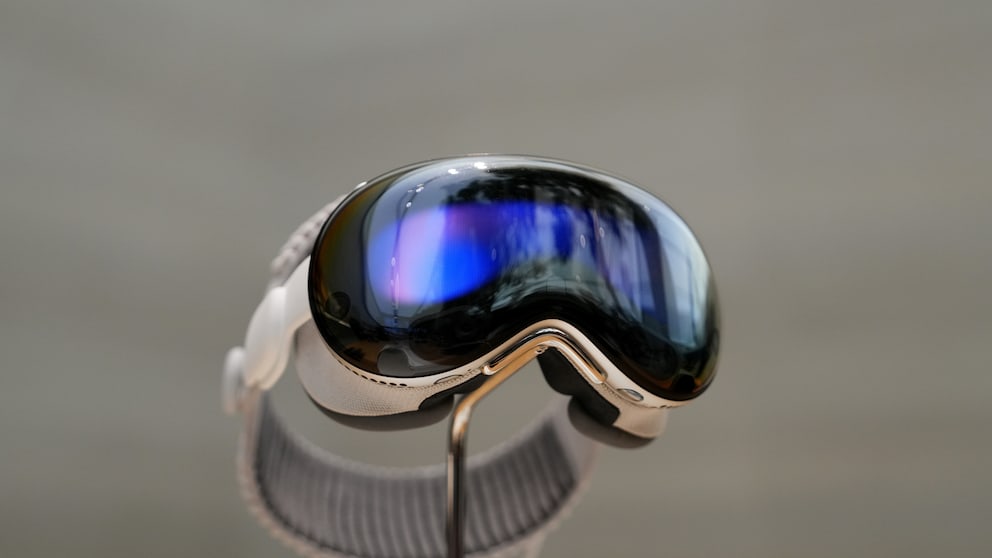
Despite a refreshed model, 2025 was not a good year for Vision Pro, with significantly lower sales than expected. In 2026, Apple took action, halting the development of new devices, laying off staff, and reallocating the remaining team to other units. However, in a recent interview, Apple’s new CEO John Ternus emphasized the legitimacy of Vision Pro. He stated that the product is just the “beginning of a long journey.”
Comparison to the Early Days of Computers
Mouloud Achour, a TV host for the French channel Canal+, had the opportunity to speak with Ternus in detail about a range of topics, including Vision Pro. In the interview, Achour asked Ternus whether he sees Vision Pro as a “test, flop, or a first step into the future.”
Ternus responded: “I see it somewhat like the early days of computers. We are at the beginning of a long journey.” Back then, “people discovered entirely different ways the computer, like the Mac, enabled them to do things that were previously unthinkable.” He cited desktop publishing as an example. The Mac enabled new ways of working that subsequently spread across an entire industry.

Apple Pulls the Plug on Tim Cook’s Biggest Flop

What’s Behind Apple’s Mixed-Reality Headset Vision Pro
Initial Applications in Medicine and Film
Like his predecessor Tim Cook, Ternus describes Vision Pro as a product for so-called “early adopters”–users who quickly embrace new technology. The Apple CEO also spoke unusually openly about the potential and yet unexplored uses of the virtual reality headset.
Also interesting: From shelf warmer to OR assistant–Apple Vision Pro finds its niche
“Surgeons are also beginning to use it in operations because it is simply a fundamentally better tool for them than a monitor that stands somewhere nearby. […] In film production, it is used, among other things, for the development of film sets. So we will continue to grow and find more and more compelling use cases. And I believe it has a very promising future.”
Benefits for Private Customers Remain Unclear
However, Ternus has yet to explain what private individuals are supposed to do with a VR headset costing 3,999 euros. The gaming offerings are severely limited, even though the device could particularly stand out here with its excellent displays. While spatial work and immersive film experiences are also possible, the usage time is limited by both battery life and sheer weight.
Lightweight headsets with similar functionality for spatial work are likely still several years away–especially since Apple has temporarily halted the development of new devices. Meta, the current market leader in the VR segment, also implemented massive cuts in its Reality Labs division in 2026. Therefore, major innovations in the segment are not expected in the near future.