

May 27, 2023, 2:09 pm | Read time: 5 minutes
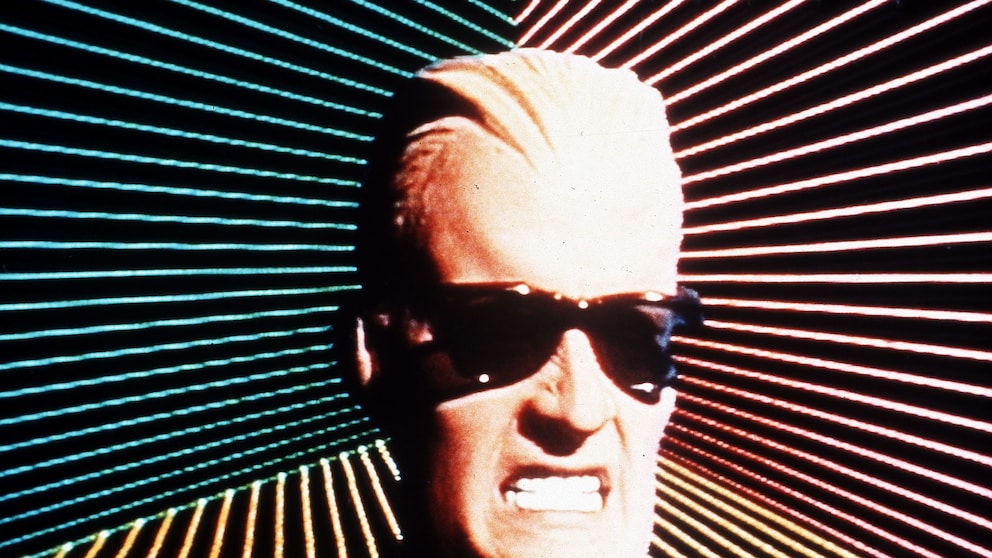
Max Headroom first appeared on the scene in 1985. Partly based on an actor and partly animated, “the first computer-generated TV host” quickly achieved cult status.
George Orwell wrote his grim version of the future in 1948. In the novel “1984,” humanity lives in a total surveillance state. Privacy no longer exists. Fear, poverty, and war prevail. Certain words are considered threats and are removed from everyday language. Ironically, in the Orwell year, Max Headroom takes the stage. The partially computer-animated announcer of music clips is the colorful opposite of Orwell’s gray-black future world. He becomes a digital cult figure in an otherwise still analog time.
Overview
The internet has not yet been born. However, through the cyber figure Max Headroom, the world gets a first glimpse of a not-too-distant digital future. He is the product of British computer designers Annabel Jankel and Rocky Morton. The British TV channel Channel 4 was looking for a new anchorman for a music clip show at the time. The choice fell on Max Headroom.
Max Headroom: A Figure of Bits and Bytes?
The computer-generated man with neatly combed blonde hair, steel-blue eyes, and teeth that dentists would love quickly became a hit on Channel 4. However, Max Headroom is not a computer-generated digital figure but the Canadian actor Matt Frewer. The developers of the computer-animated host kept the true existence of their art figure a secret for a long time. Viewers believed for a long time that Max Headroom was brought to life from bits and bytes.
To make Matt Frewer look like Max Headroom, it takes a face mask made of oatmeal and rubber, blue contact lenses, and a latex wig. The transformation into the digital art figure takes over four hours each time.
In fact, only the distorted image and the animated background from which Max Headroom delivers his witty remarks to the audience come from the computer. All visualizations and effects were programmed on a Commodore Amiga.
Read also: C64 – the first successful home computer in breadbox format
Mainly an English Phenomenon
The man with the blonde hair quickly wins the audience’s favor due to his cheeky manner. The creators do everything to further increase the popularity of the figure from the future. In 1985, the TV movie “Max Headroom – 20 Minutes into the Future” aired in the U.S. In Germany, the work appeared years later under the title “Max Headroom – The Movie.”
The cult around the “first computer-generated TV host” is mainly concentrated in the English-speaking world. In Germany, interest is limited because pure music clip shows like those in Great Britain are unknown here. The German audience prefers to watch real hosts in the chart show “Formel Eins.” In this TV show, viewers encounter Max Headroom in 1986. The digital anchorman is the star in the video of the art-pop group The Art of Noise, which had a small international hit with the song “Paranoimia.”

These Are the 10 Longest-Running TV Series Still Airing
AI Brings Original Pumuckl Back to Life
Max Headroom: Ad Figure and TV Star
Max Headroom’s fame in the English-speaking world continues to grow. The blonde art figure even advertises for Coca-Cola. The direction for the short commercials is taken by none other than Ridley Scott, who has already shot an iconic commercial for Apple. Horror fans revere the director for the chilling thriller “Alien.”
In 1987, a whole series about Max Headroom was created in the U.S. In it, the world finally learns how the figure got its name. Reporter Edison Carter loses his life in an accident. The last words he reads before his death are “max. headroom,” which are written on the barrier that costs him his life. Translated, the words mean “maximum clearance height.”
With the help of a computer specialist, Edison Carter’s thoughts end up in the head of a computer-generated figure. It is named after the last thoughts of the deceased: Max Headroom. From then on, the computer copy of the reporter fights against corruption, crime, and oppression.
The first season of the series is at least successful in the English-speaking world. However, the following second season cannot match this success and is prematurely canceled. Allegedly, actor Elijah Wood wants to revive the Max Headroom format as a series.
A Final Sign of Life
The figure last caused a stir in 1987. The so-called “Max Headroom Hijacking Incident” made waves on U.S. television. A hacker group managed to break into the ongoing TV program. A bizarre figure with a Max Headroom mask appeared on the screen, disturbing TV viewers. To this day, the hackers remain at large.
And in Germany, Max Headroom experienced a resurrection at the end of the 1990s. Robert T-Online looks like his digital brother. The German advertising figure promotes T-Online’s DSL connections in the commercial.

After that, the cult figure finally retires digitally. Reality has not only caught up with Max Headroom’s cyber future but has long surpassed it. With artificial intelligence and deepfake videos, a new future is already upon us.