



February 18, 2026, 7:22 pm | Read time: 13 minutes
In times of streaming and downloads, physical media like records or Blu-rays and DVDs seem like a fading model. But for me, they’ll never go out of style, never. Do others see it the same way? Currently, I might get the impression from my curated algorithms on YouTube or Instagram that we’re experiencing a comeback of the blue and silver discs. But is that true? I did some research and asked around. The truth is different–but there’s still reason for cautious optimism.
Overview
- My Blu-ray Haul of the Last Weeks
- The Current State of Blu-rays and DVDs
- The Big Partners Disappear
- Gloomy Forecast for Amazon
- Streaming, Covid, and Declining Availability
- Single Men Prefer Buying Steelbooks
- Gen Z and a New Trend Niche
- Why Gen Z is Interested in Physical Media Again
- Stressed and Anxious from Streaming
- The Netflix-Warner Deal is a Bad Omen
- Less is More, Thanks to Boutique Labels
- The Hunger Grows
- The Premium Product as a Sacred Collector’s Item
- Blu-rays as an Event
- The Show Must Go On
My Blu-ray Haul of the Last Weeks
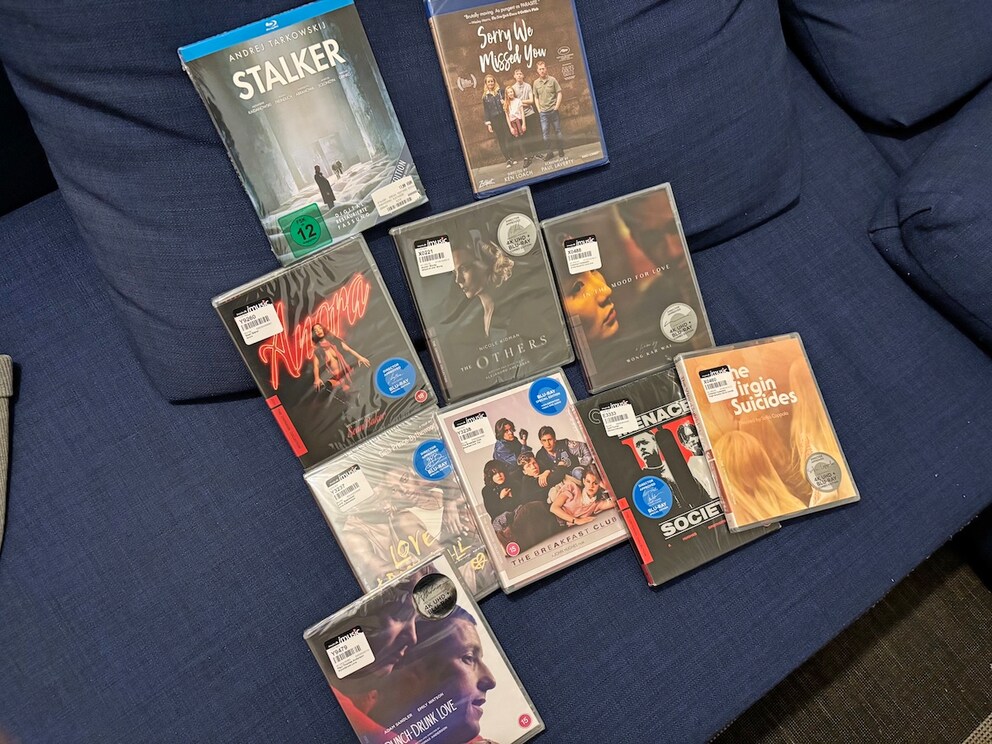
There’s no need to emphasize that I love physical media of all kinds. I’ve said it before and nothing has changed. Quite the opposite, I recently went all out, both online and in-store. I first visited Berlin’s Kulturhaus Dussmann and picked up the animated Oscar film “Flow” and the folk horror gem “Des Teufels Bad.” A week later, I continued at Saturn with the Eastern classic “Tage des Terrors” featuring Cynthia Rothrock, “Ballerina,” and “Final Destination: Bloodlines” in 4K.
And because I have particularly poor judgment while lying in bed at night, I was also susceptible to my friend Hardy from Moviepilot, who suggested I check out the Criterion sale. Said and done, I bagged eight films, including “In The Mood For Love,” “Punch Drunk Love,” and “The Virgin Suicides.” Oh, and a few records were thrown in as well.
The Current State of Blu-rays and DVDs
I’ve invested quite a bit of money in these treasures. But I alone can hardly keep an entire industry alive, and declining sales figures confirm that there aren’t many like me left. Between 2013 and 2023, DVD sales revenue in Germany drastically reduced, as Statista reported. Blu-ray sales more than halved.
The trend continues, as Norbert Karg from NBCUniversal explained to me in a conversation. Karg is still responsible for the distribution of physical products (DVD, Blu-ray, UHD) in the German-speaking region. In his role, he distributed titles from Universal, Warner, Paramount, and Constantin, and according to his statements, there is a stable annual sales decline of 12 to 15 percent.
Also interesting: The Sad Story of the Blu-ray
The Big Partners Disappear
The sector of physical film media is consequently losing more and more supporters within the industry due to the generally declining interest. Sony and LG, for example, have already announced or completed their withdrawal from the production of Blu-rays and related playback devices.
As revealed in an interview by “The Spot Media & Film” with Oliver Koppert and Peter Schauerte from the industry association for film distribution and audiovisual media Allscreens, there will be “no major” left by 2026 “that distributes physical products themselves.”

As Norbert Karg told me, NBCUniversal is also pulling out. Universal and Warner products will be transferred to the responsibility of Plaion Pictures, which, along with Leonine and Alive, are among the three largest German distributors. No major Hollywood film studio is taking on this part of the business themselves anymore.
Gloomy Forecast for Amazon
According to Karg, the situation at Amazon could also become problematic. The online retailer holds a market share of 50 to 60 percent for Blu-rays and DVDs, according to the industry veteran. Physical home entertainment products have been a focus category for Amazon since its launch in Germany, and the company has invested accordingly.
But even here, they are scaling back, as evidenced by the fact that there is no longer a responsible purchasing and brand specialist for physical home entertainment in the German-speaking countries. In the future, according to expert forecasts, Amazon might no longer offer large parts of the physical film range in stock themselves, but leave it to other, smaller retailers via the Marketplace. Or the remaining distributors sell their products through their own webshops. This is already the case with Leonine or Plaion.
I asked Amazon about the status of the division and plans for the future. However, the company does not want to provide any information on this, according to an email.
Streaming, Covid, and Declining Availability
The rise of streaming services like Netflix has heralded the current decline of physical media, both in film and music. The COVID-19 pandemic accelerated this trend. When cinemas were mostly closed and access to stores was restricted, people spent their time at home streaming.
Today, it’s no longer important for the mainstream to own a DVD or a film if it will soon be available as VoD anyway. The ubiquity of physical media is gone; films at Netto or Aldi were once a common sight, but not anymore.
Single Men Prefer Buying Steelbooks
What still works? Currently, the following things can still be relied upon, albeit at a noticeably lower level than before: Male singles between 40 and 60 years old who “pounce” on Steelbook editions and are likely never to open them because they consider them “investment objects.” Even here, sales figures are no longer what they used to be, but at least they are often good enough.

Disney also holds a special position. With a good Steelbook, a major Disney production (including Star Wars and Marvel) would cause a “big bang” shortly after release, according to Norbert Karg. However, this quickly subsides when the film lands on Disney+.
But even here, the question arises: How much longer? How long will fans remain loyal to the product? Will they really put the fifth Steelbook of “Pulp Fiction” on their shelf? Karg is already observing a decline among those over 50, who once represented a particularly strong target group. The loss of buyers is also evident across all age groups.
Gen Z and a New Trend Niche
But something is happening that was thought impossible for years. I certainly didn’t imagine seeing more and more young men and women from Gen Z (born from 1995) talking about DVDs and Blu-rays on YouTube and social media.
For example, the “League of Filmmakers” writes: “More and more young people are making the old new again by buying physical media–sales are increasing by about 15%.” The “BBC” also notes early signs that more young people are turning away from paid subscriptions and DVDs and Blu-rays are becoming popular again.
Of course, this is not the case in all markets. According to Norbert Karg, such a development cannot yet be seen in the German market. Perhaps it just takes a little longer for enough young people here to find physical media cool. At least the “Rolling Stone” recently declared them “cool” again.
Why Gen Z is Interested in Physical Media Again
I know why I collect records, CDs, DVDs, and Blu-rays. But what about others? For that, I asked my colleague Bastian (25) for his perspective:
“Physical media are more than just a collection of favorite works or a rejection of the mainstream. In this digital age, we rely too much on the works we love being accessible forever. But nowadays, I keep hearing that something has become ‘lost media’ or simply can’t be found legally. For me, physical media are not only a guaranteed permanent access to the works but also a way to interact with the media on a deeper level.
For example, choosing movies, music, and the like is much more conscious than scrolling or clicking past hundreds of thumbnails. Inserting a disc or playing a record has a significant emotional value for me. A private collection is a reflection of our personality, something a profile on the umpteenth streaming platform could never be.”
For numerous films and series, streaming services only have time-limited licenses. This means that after a certain time, they move to another platform or, in the worst case, disappear entirely from the digital ether.
Stressed and Anxious from Streaming
It’s not just annoying. Sometimes there’s even talk of “streaming anxiety,” which drives people to buy physical copies of their favorite movies and series. This describes the fear of simply losing digital collections, such as photos or movies.

Playlists or purchased digital content can simply be taken away by companies–no one owns anything anymore. This is particularly critical for younger people, as they have grown up in a time when everything was stored or used digitally or online. The decision to return to physical media may have something to do with a new distrust of streaming services, where titles can sometimes be altered (even censored) afterward.
Also interesting: Opinion on the “Stop Destroying Videogames” Initiative
At the same time, the sheer abundance of titles, according to a study, causes streaming service users to delay their decisions on what to watch for longer and longer. This leads to increased stress. People feel simply overwhelmed and wish for more guidance, as stated in a new study by “Hub Entertainment Research.” The fact that one now has to “wander” between several providers certainly contributes to this and reduces the bank balance more than initially thought.
The Netflix-Warner Deal is a Bad Omen
Just as young people are starting to turn back to physical media more often, the next disaster looms. Netflix is reportedly planning to acquire Warner Bros., one of Hollywood’s most traditional film studios with an extensive library. Think of “The Lord of the Rings” or “Harry Potter.”
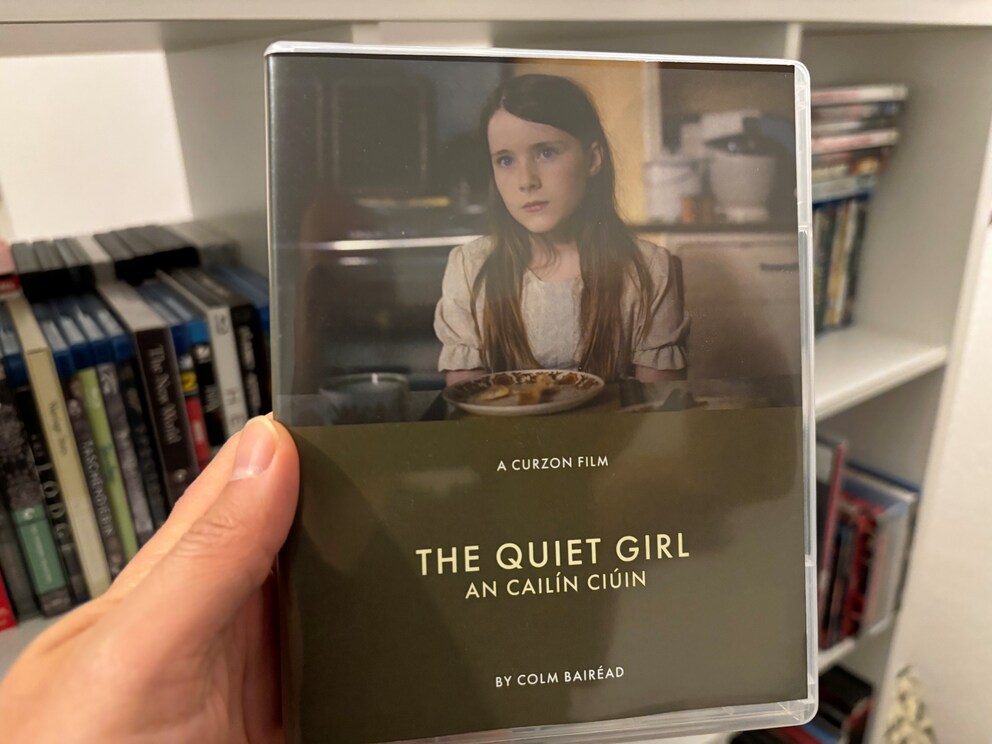
But besides cinema, Netflix is also not a fan of DVD and Blu-ray releases. Very few films and series from the streaming provider have made it to disc–and only in license thanks to other providers. Absolute gems like “Roma,” “The Irishman,” or “Marriage Story” were released by Criterion, the first season of “Arcane” appeared via GKIDS.
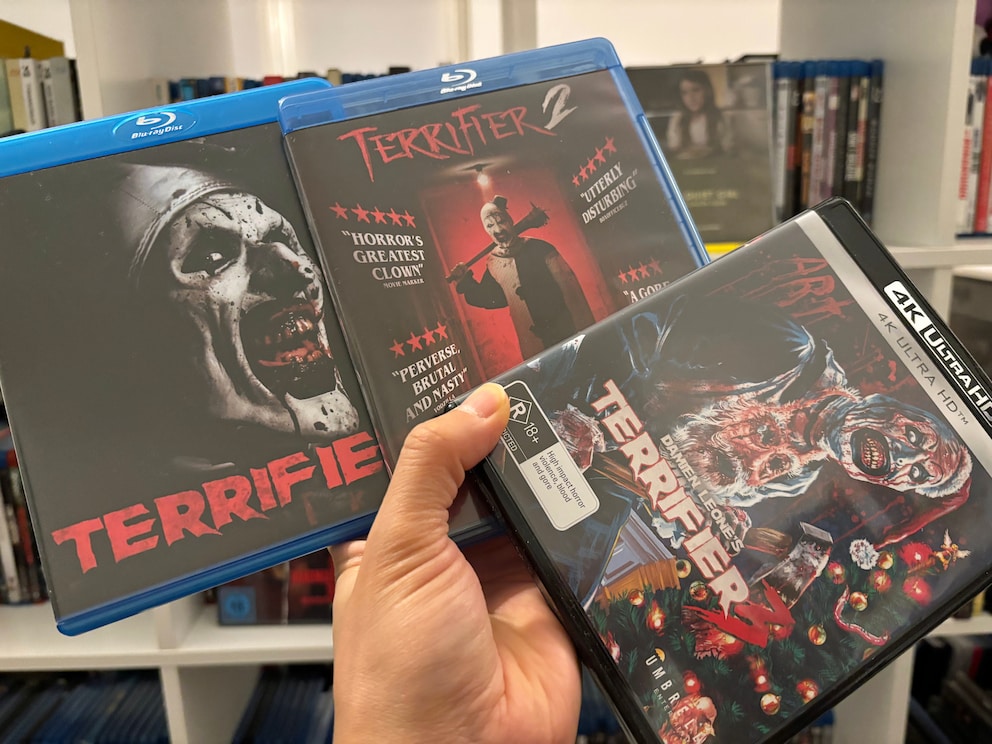
If the acquisition of Warner actually goes through, there could be fewer new Warner works available physically in the future. Mike Flanagan, who created horror series like “Haunting of Hill House” and “Haunting of Bly Manor” for Netflix, learned firsthand that such releases are not a priority there.
Less is More, Thanks to Boutique Labels
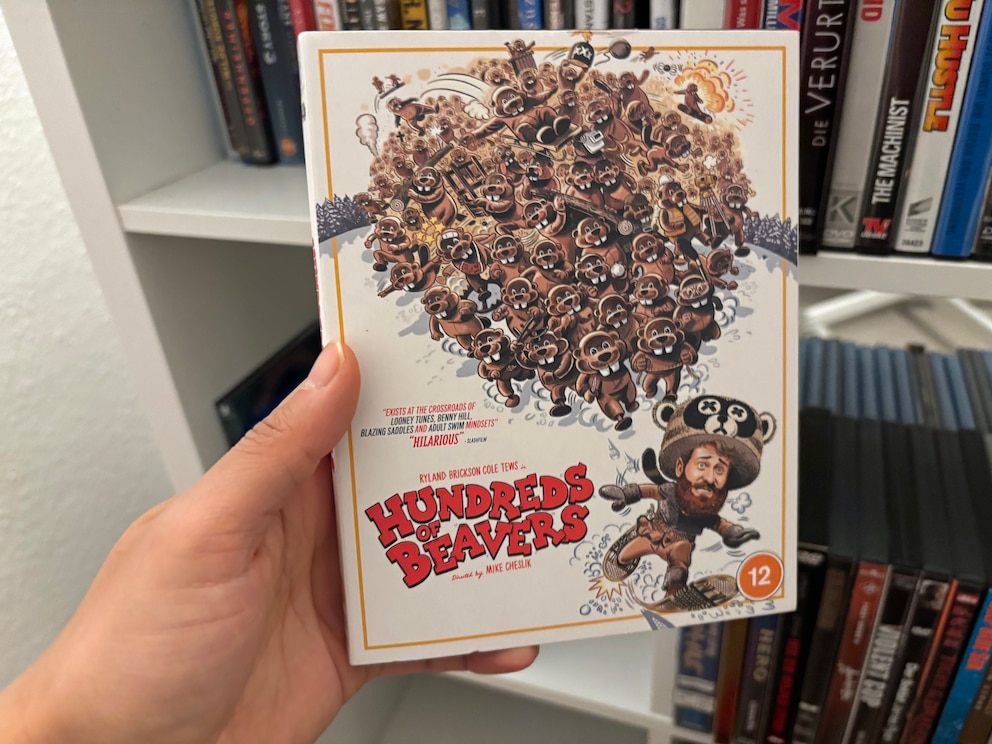
With a bit of luck, this will at most mean that Netflix doesn’t want to do the work themselves and, as before, outsources the job. At the same time, more people are already wishing for a curated experience–less oversupply, but a better selection. Here, so-called boutique labels for DVDs and Blu-rays fulfill a small but growing demand.
Boutique labels are independent businesses that specialize in a particular selection of films. They usually release these in the form of elaborate restorations, in the best picture and sound quality, and with many extras, both on the discs themselves and as inserts in the packaging.
Additionally, they often score with special artworks. Often, these are classics, obscure cult films, or titles that have proven to be influential and culturally significant. Not every film makes it in here, and certainly not every blockbuster. New releases from labels like Criterion or Shout! are primarily aimed at true film enthusiasts. These are often quickly sold out.
The Hunger Grows
The market for boutique releases is already being compared to the long-standing vinyl revival. As the U.S. trade magazine “Variety” reports, such businesses are experiencing an “unexpected renaissance.” Executives speak of a “growing hunger for tangible, curated film experiences that digital platforms cannot replicate.”
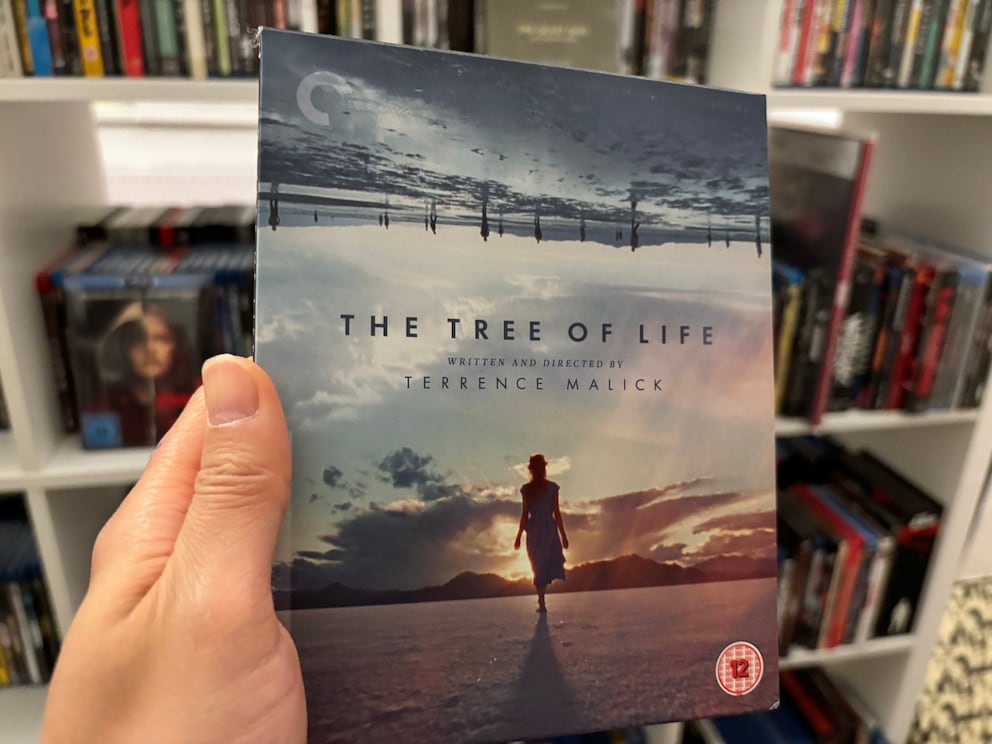
Collectors are primarily seeking and finding physical ownership in premium quality. New data from the British Association for Screen Entertainment (BASE) confirms the niche trend: In 2024, sales of 4K UHD Blu-rays increased by 21 percent. In Germany, according to Norbert Karg, they rose by 17 percent, even though the overall market shrank by 13 percent. A third of the 4K revenue was achieved with Steelbooks. Engaging with special editions is considered as romantically appealing as with vinyl records.
The Premium Product as a Sacred Collector’s Item
The image is another influencing factor: As the YouTube channel “The Royal Ocean Film Society” explains, the Criterion Collection is considered particularly prestigious. Being included by the label is a mark of quality recognized by fans. However, this also comes with a significantly higher price. Together with the lovingly crafted presentation, this creates the impression of an expensive luxury product that one wants to have and is particularly pleased to own.
This is a feeling that no streaming service can provide. And a development that is also taking hold here. Norbert Karg also says that the “special product” will be preserved. “We will try to sell high-quality editions for as long as possible,” he promises.

TECHBOOK Editor on the End of Blu-Ray: “I Just Want to Cry”

Most Successful Netflix Film Receives Special Honor
Blu-rays as an Event
Criterion is so successful with this in the U.S. that they are now converting recognition and demand into popular video series with celebrities and even fan events. For the “Closet Picks” in the “Criterion Closet,” stars like Winona Ryder, Pamela Anderson, and even gaming icon Hideo Kojima stop by to choose films from a closet full of Blu-rays, talk about them, and take them with them.

And in the States, they’ve even launched a tour with a mobile “Criterion Closet”. Fans stand in line for hours for this. And it’s also noticeable how many Gen Zers are just waiting to choose their personal gems. But that’s also the great thing about physical media: They are not only more personal and intimate for oneself but also create additional interpersonal moments. Holding them in your hands and then showing and giving them to someone else, exchanging ideas about them, is simply wonderful and creates new connections.
The Show Must Go On
The numbers speak for themselves; DVDs and Blu-rays will continue to decline overall. For now, however, they will not disappear entirely. Instead, there is a shift–away from the mass product for the mainstream to the coveted fan product for the special experience. And at least there will still be enough offers for this in the foreseeable future. As Norbert Karg emphasized several times in our conversation: “It will continue.”
Anyone who just wants to pass the time with movies and series can continue to stream; there’s nothing wrong with that. But for the extra appreciation and preservation of art, I will continue to regularly buy new discs. And I’m slowly but surely getting reinforcements.
As series creator Sam Boyd told “Rolling Stone”:
“There will always be people, especially young people, who are curious about the past. Who are interested in the entire history of incredible films, series, and albums. I was such a kid. So it makes sense that there are still such kids. The idea that people would always only want the new has simply never corresponded to reality. There will always be some who consciously choose a different path.”
So did I perhaps cry too soon in my last comment on the subject? Maybe. And I hope so too.