


September 11, 2025, 5:16 am | Read time: 2 minutes
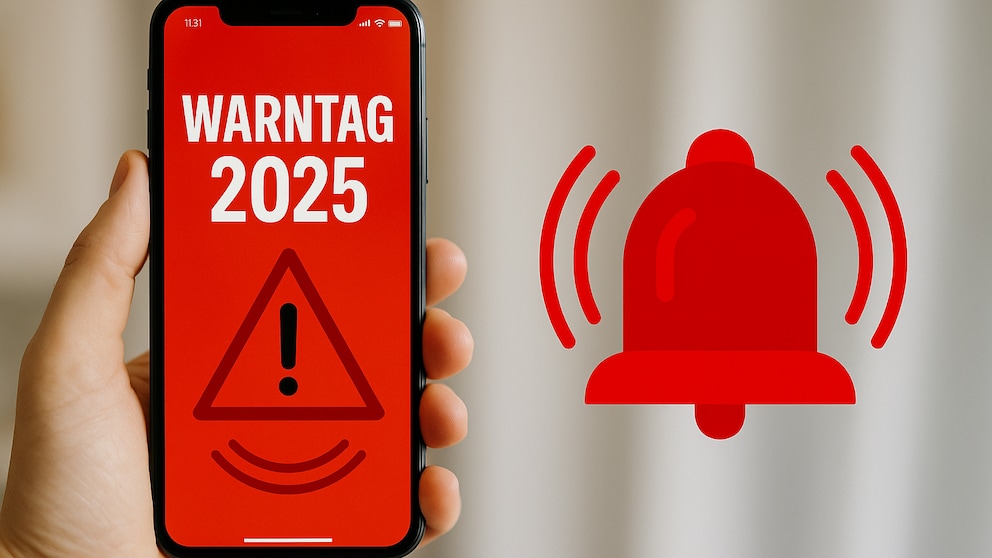
On September 11, it’s that time again—the nationwide warning day is upon us. But what requirements must smartphones meet to receive these important alerts? TECHBOOK explains.
Radio and television, websites, display boards, sirens—when the federal and state governments want to alert people to crises, disasters, or dangers, there are various ways to do so. The main goal is to ensure everyone is informed in an emergency. Particularly important for this is the so-called Cell Broadcast. But what is it? And how can you ensure that everything works and your phone rings on the nationwide warning day on September 11 and in case of a disaster?
Cell Broadcast Explained
In simple terms, it’s a technology that allows authorities to send warning messages directly to mobile phones without needing an app. All phones in a specific area receive the message, similar to a radio broadcast.
A benefit of Cell Broadcast warnings is that they work even when mobile networks are overloaded, unlike SMS. For the nationwide warning day in Germany, it’s a crucial technology. It allows for quick and reliable communication to reach as many people as possible. “No other warning channel can reach more people directly,” says the responsible Federal Office of Civil Protection and Disaster Assistance (BBK).
Requirements for Your Phone to Ring on Warning Day
For your phone to actually ring on warning day, several conditions must be met: The device must be turned on and connected to the mobile network, meaning it cannot be in airplane mode. Additionally, a current operating system is required—at least Android version 11 or iOS 16.1 for iPhones.
Also interesting: Which apps warn me about floods and heavy rain?
Furthermore, users must activate the relevant functions in the device settings. On Android, these are found under “Cell Broadcast” or “Emergency Notifications,” and on Apple under “Official Alerts.” It’s also important that the smartphone supports the technology; older or very basic models remain silent despite current software.
Advertisement
As an additional safeguard, authorities recommend installing warning apps like NINA or Katwarn, which also receive alerts through the Modular Warning System (MoWaS).
With material from dpa