

November 16, 2026, 10:44 am | Read time: 2 minutes
Amazon aims to challenge Elon Musk’s Starlink with thousands of Leo satellites. However, the development of its own internet network has now suffered a significant setback.
Amazon Loses 40 Satellites
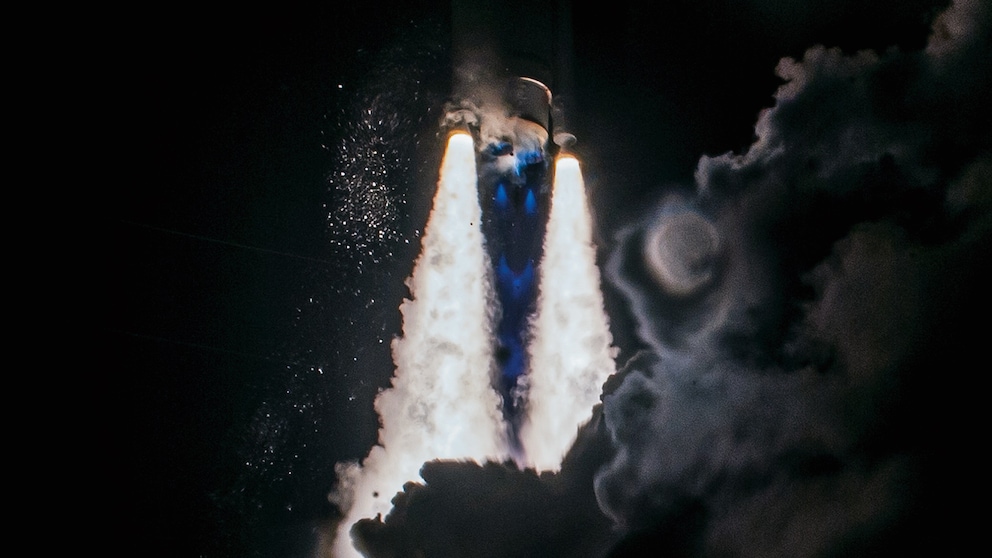
Shortly after liftoff, a Vulcan rocket launched from Cape Canaveral Space Force Station in Florida experienced a malfunction. The mission failed, resulting in the loss of 40 satellites intended for the planned Amazon Leo internet service. The rocket is operated by United Launch Alliance (ULA), a joint venture between Lockheed Martin and Boeing.
The incident is particularly frustrating for Amazon. The failed launch was the first of a total of 38 flights the company has booked with ULA. These flights are intended to rapidly expand the satellite fleet in the coming years.

How Elon Musk Plans to Combat Slowing Speeds in Satellite Internet

Amazon Becomes an Internet Provider in Germany
Leo to Compete with Starlink
Amazon Leo is designed to provide high-speed internet via satellites, directly competing with Elon Musk’s Starlink. Since April 2025, Amazon has already launched around 400 satellites into orbit. A fleet of more than 3,200 satellites is planned in total.
Amazon is trying to put the failure into perspective. “Every launch carries risks,” stated Amazon Leo on X. ULA intends to learn from the failed mission and stick to the long-term plans for the Vulcan rocket. For Amazon founder Jeff Bezos, however, this is yet another setback in space exploration: In May, a New Glenn rocket from his company Blue Origin exploded during a test on the launch pad.
Also of interest: Amazon Becomes an Internet Provider
SpaceX Simultaneously Reports Success
While Amazon and Jeff Bezos are grappling with issues, competitor Elon Musk can claim a significant success. His space company SpaceX has managed for the first time to catch the massive Starship rocket upon its return to Earth. Previously, it had delivered 26 satellites for the Starlink network into space.
The successful test could have far-reaching implications for the space industry. Fully reusable rocket systems are expected to make launches cheaper and significantly more frequent in the long term. At this critical stage of development, Amazon falls behind with the loss of its 40 Leo satellites. The race for satellite internet continues, but for now, with an advantage for SpaceX.