

June 1, 2026, 12:45 pm | Read time: 2 minutes
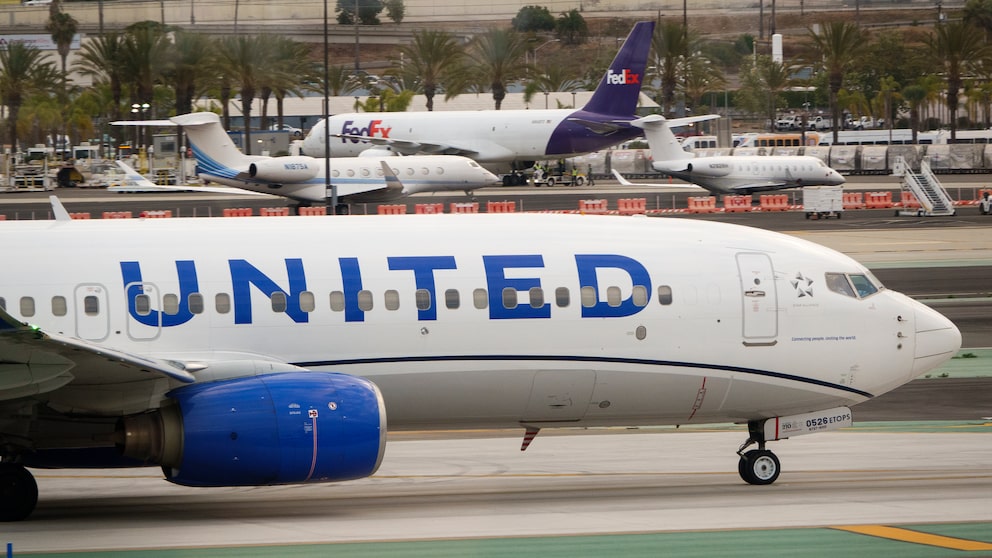
A flight from Newark to Palma de Mallorca ended much earlier than planned. A Boeing 767-400ER from the U.S. airline United Airlines turned around over the Atlantic after a security alert on board alarmed the crew. The cause was the name of a Bluetooth device belonging to a 16-year-old passenger.
The aircraft departed from Newark, New Jersey, on Saturday evening around 6 p.m. The destination of flight UA236 was Palma de Mallorca in Spain. However, about an hour and a half into the flight, an incident occurred. When the plane was south of Newfoundland, the crew decided to turn back. The Boeing set course back to Newark Liberty International Airport, ending the flight prematurely.
Crew Responded to Possible Security Incident
As reported by the news network “Airlive,” the flight attendants initially addressed the passengers with an urgent announcement. All travelers were asked to turn off their Bluetooth connections immediately.
The crew repeated the instruction several times. According to Airlive, the crew also explained that they were acting on instructions from the company’s headquarters in Chicago. Passengers were informed that someone had done something via Bluetooth that was deemed a threat to the flight’s safety.

Will Biometric Facial Recognition Replace Boarding Passes in the Future?

Swatting: What is behind this dangerous internet phenomenon?
Turned Back with Emergency Code
Despite the requests, at least two Bluetooth devices remained active. The situation could not be resolved as a result.
The pilots then aborted the flight due to an “unresolved threat.” They also sent the transponder code “Squawk 7700.” This code is used to report a general emergency to air traffic control. The air traffic controllers then directed the aircraft back toward New York.
The Fault of a 16-Year-Old?
After landing in Newark, a large contingent of security forces awaited the plane. During the investigations, it was revealed what had triggered the alarm.
A 16-year-old passenger had changed the visible network name of his Bluetooth speaker to “Bomb.” Since Bluetooth signals can be displayed on nearby devices, this name appeared on the screens of passengers and crew members searching for available connections.
According to “Airlive,” this entry triggered the usual protocol for bomb threats. United Airlines has not yet commented on whether criminal charges will be filed against the teenager or if he will be permanently banned from flying with the airline.